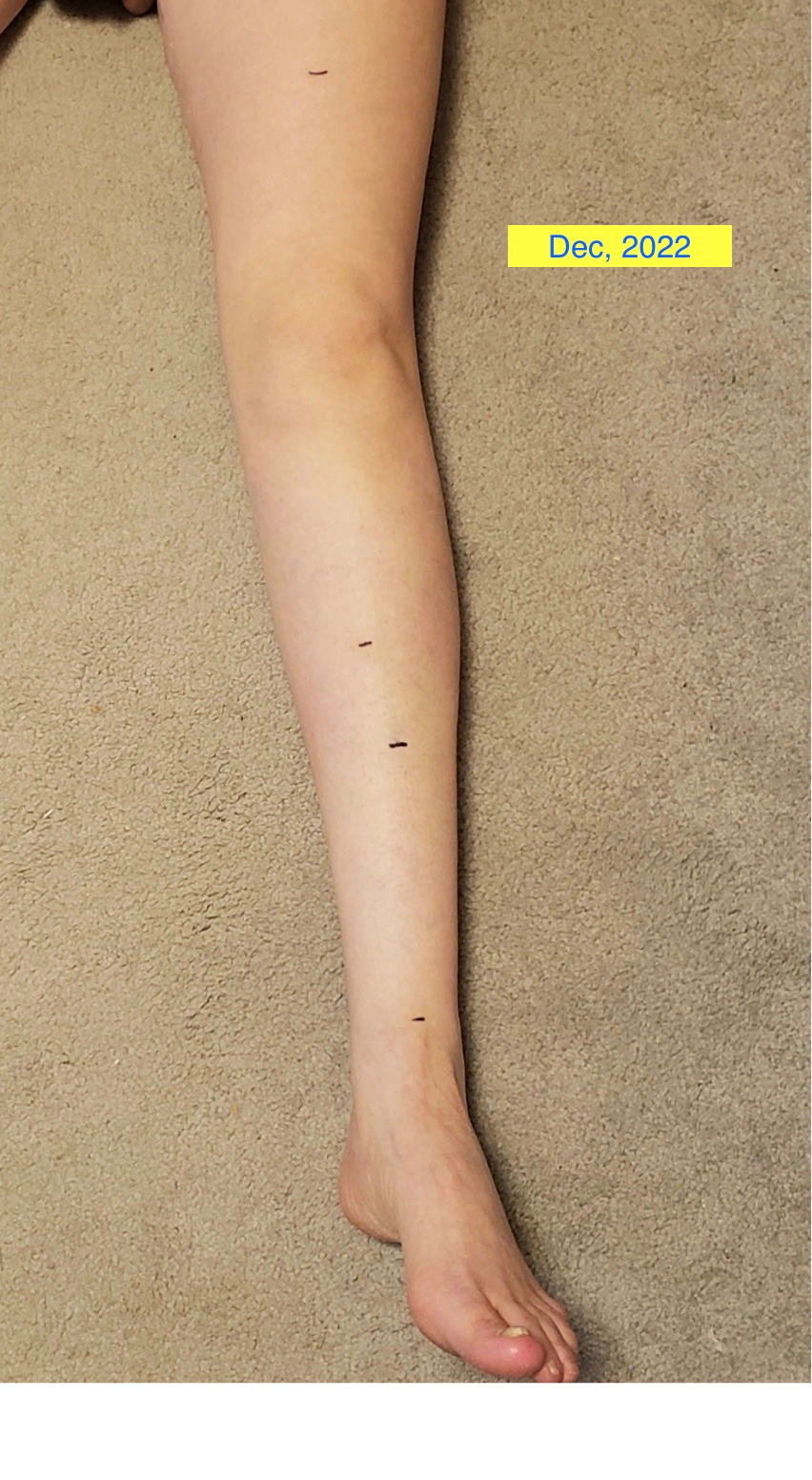
Lymphedema: A Medical Failure
If you have lymphedema, you already know how life-changing it is and the threat it poses to movement, comfort, and health in general. The fear of its progression, the inability to enjoy your regular activities, and the constant threat of infection and deterioration if it’s not cared for properly. But fear not, there are solutions. But first, let’s define what the pathology of lymphedema.
What is Lymphedema?
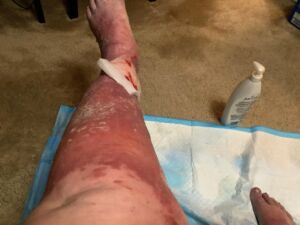
Cellulitis from Lymphedema
Lymphedema results from lymphatic impairment manifesting as swelling, which eventually turns into inflammation. As the disease progresses, the impacted body part may—or may not— increase in size and harden. Once hardened, the lymphatic system is no longer functioning and the lymph fluid which is very toxic turns spills over into tissues, aka, dermal overflow. This fluid now has nowhere to go, so the fat in the lymph combines with protein, creating a cement-like tissue. The patient is now debilitated and subject to recurrent infections called cellulitis.
This is the worst-case scenario. There are many variations to the disease and not everyone gets worse. For some unknown reason, in some patients, the disease plateaus and the limb reaches a stable size. For others, the swelling continues, causing disfiguring skin damage, lesions, and a burn-like appearance.
There are 2 types of lymphedema: primary and secondary. The primary is genetic. A person is born with a defective lymphatic system and the disease can manifest at any stage in life from childhood to the senior years. Secondary or acquired lymphedema is often iatrogenic after cancer treatment, surgery, or other medical procedures. Car accidents, obesity, other injuries, and anything that damages the lymphatic nodes or vessels can lead to chronic swelling.
A few traits unite Lymphedema patients: depression, a sense of hopelessness, and the fear of its progression. It’s common for many patients to feel shame and sink in isolation.
Can Nutrition Help Lymphedema?
Since Lymphedema causes inflammation, an anti-inflammatory diet is essential. If you carry extra pounds, weight loss should be your priority. Losing weight is therapeutic, it reduces inflammation, swelling, and will make you more mobile. If you feel good in your body, you will be more motivated to fight and take all the necessary steps to stay healthy.
Three simple steps to improve your diet:
- Cut out saturated fat (eggs, bacon, dairy)
- Cut out fried food
- Increase intake of green leafy vegetables, and fruit, particularly kiwi and berries
- Use healthy oils: olive oil, canola, avocado
- Add healthy proteins for your diet: nuts and nut butters, seeds, legumes
Supplements: Probiotics, Vitamins, Botanicals
Everyone needs a little boost. However, supplements are not regulated, so buying them from the grocery store or Amazon, can hurt you more than help you. These products may not contain the dosage advertised on the label or they may contain harmful ingredients. Always talk to a health professional who can recommend clinical-grade supplements, advise you on what you need, and ensure that you get a high quality product.
Your doctor may recommend vitamin D but beyond that, they do not counsel on supplementation. If you have questions about herbal remedies, probiotics, or what supplement to take, please contact us or your functional medicine doctor, before you purchase any supplements. Please protect yourself against counterfeit and unreliable products.
Lymphedema Counseling
There are many treatments available, but they’re rarely discussed in the regular medical setting. You need to be educated on what is available and what is appropriate for you. Whether you just got diagnosed or have been suffering from Lymphedema for years, there are solutions that can help you restore mobility and function.
Our counseling is not a replacement for your therapist or medical provider. However, this should be your starting point, or we can fill the gaps where your healthcare providers don’t apply. Here is how:
- Tell you how to care for the disease and prevent its progression
- Explain all the facets of the disease, including fibrosis, ulcers, and cellulitis
- Discuss what type of compression you need and where to buy it
- Where and how to find a good therapist
- Give you a referral to a compression specialist
- If surgery is an option for you, we will provide you with the names of the best surgeons in the country.
Finally, we will provide you with emotional support so you can think clearly and find the best treatment for you.
Medical science is moving fast and a cure is on the way. It may take a few years, but it’s sooner than it used to be. But your chances of curing the disease depend on how much damage is done to the affected area, in other words, the progression of the disease. The more you reduce swelling, decrease fibrosis, and prevent infections, the better your chances at being cured when the treatment is available.
You can learn more about Lymphedema by joining our Facebook support group Lymphedema Solutions.
Looking forward to chatting with you soon.
Lymphedema can be treated and in some cases, even curable. Watch Dr. Chen’s interview and gain insights and valuable information.
Contact us for a free consultation and step out of the dark.
"*" indicates required fields
For more education and medical solutions, please visit the youtube channel and subscribe to help raise awareness.
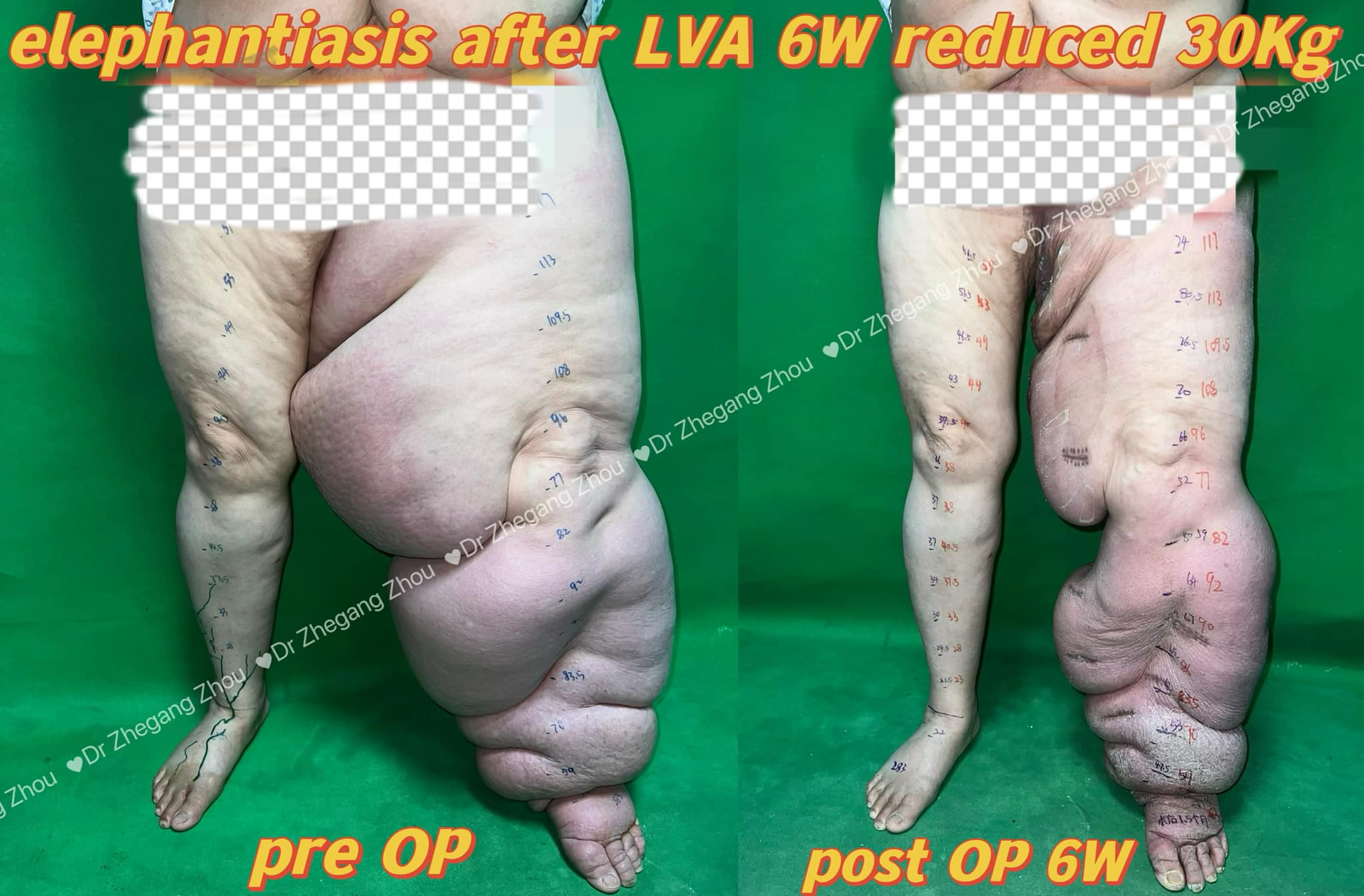
Most advanced
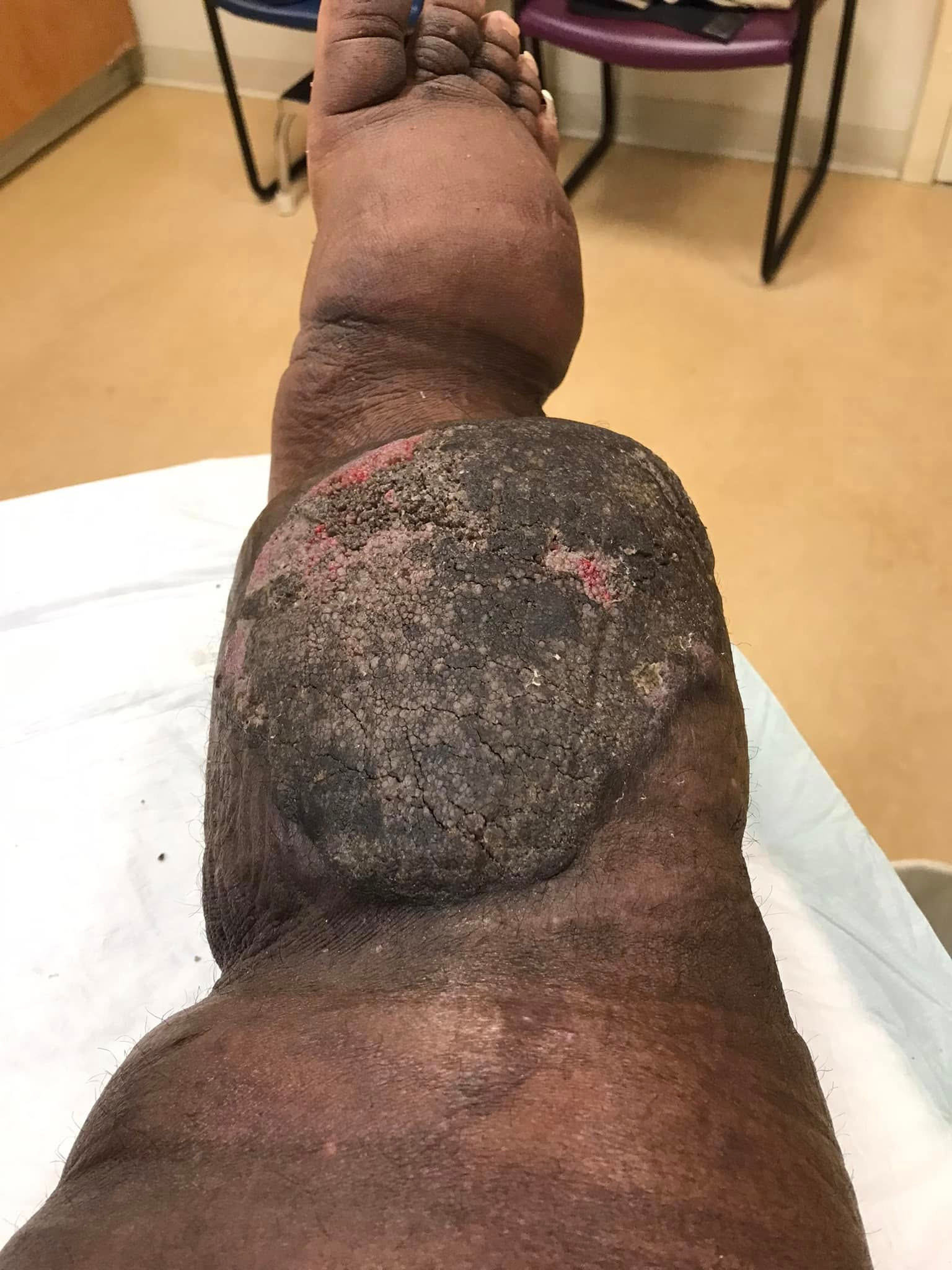
Fibrosis
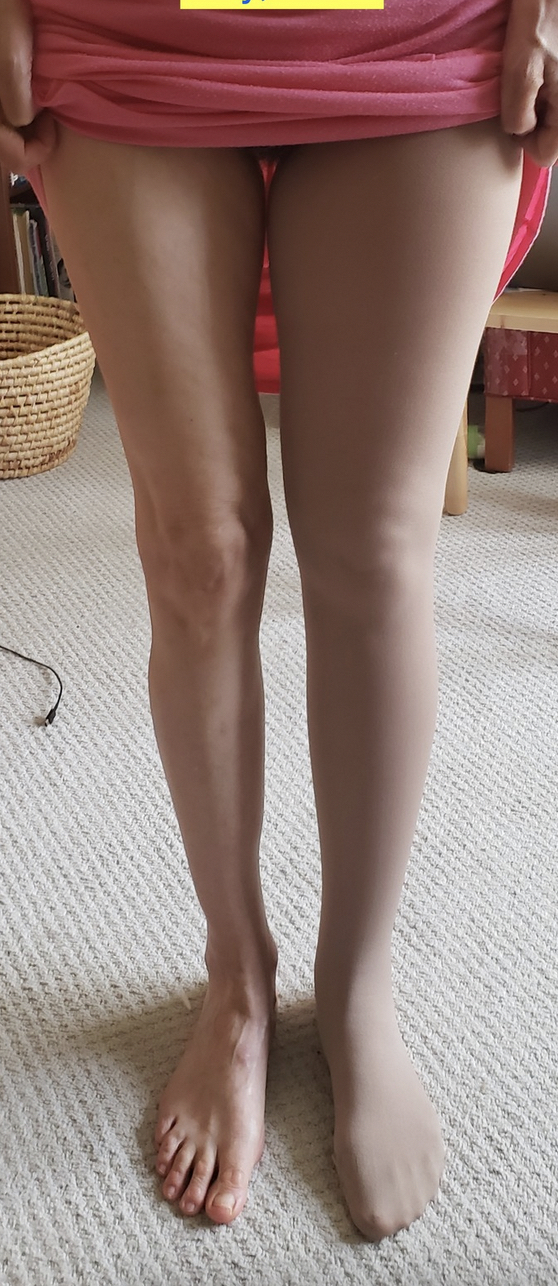
Deceiving: Stage 3 looks like mild sweling.