
Special Diets: Cancer, Diabetes, Gluten-Allergy
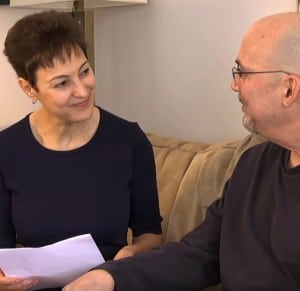
Reversing Diabetes for David
A special diet might be warranted if you are going through cancer treatment. Your oncologist may recommend a special diet to deal with the effects of the treatment.
Changing your diet can feel daunting when you have to manage a health condition. Many people want to transition to a vegan diet due to a diagnosis of diabetes or heart disease; some people are gluten-intolerant and need to avoid glutenous grains; then there is the medical diagnosis such as cancer, kidney disease, Crohn’s disease, arthritis, or any condition that requires a new of eating.
It’s not uncommon for people to feel confused, stressed out, and even angry. However, a clinical nutritionist is trained in all these conditions and can create meals that taste good, are satisfying, and varied, without the offending foods.
When you have to adapt to a new way of eating, it’s important to learn how to compose meals that cover all your nutrition needs. If you have a digestion problem, for example, and you cannot digest insoluble fiber (plant roughage), then you need to consume foods rich in soluble fiber, such as pectin. A peeled apple no longer has cellulose but is still an excellent source of pectin, which can heal your digestive system and assist in digestion.
Gluten or Dairy Allergies
If you are gluten-intolerant, rice, quinoa, and oats are safe foods for you. Amaranth and millet are also gluten-free. Sprouted grain bread may be an option if your allergy is not severe, like in the case of celiac. If you cannot digest dairy, you may think you will never have desserts again. Nothing can be farther from the truth. There are a plethora of desserts made with chocolate, nuts, non-dairy milks, and other preparation totally dairy-free and actually healthier that than the usual cake and ice cream. Have you tried Dominique’s tarte tatin? A delicious upside down apple pie with caramelized apples.
Vegan Diet
When it comes to a vegan diet, most people are afraid of not getting enough proteins or worry about combining foods to get a complete protein. Rest assured, there is no risk of protein deficiency in a Western diet. “… there is no evidence of protein deficiency in vegetarian populations in Western countries. You also don’t need to combine proteins at every meal. As long as you have a varied diet that includes whole grains, legumes, nuts, and nut butters, you should get plenty of healthy proteins. But in doubt, always consult a nutritionist.
Cancer Treatment
Any oncology treatment is tough on the body. If you are undergoing chemotherapy or radiation, you may find the taste of food strange or experience GI distress. Rest assured, we can find foods that you will tolerate, nourish you, and you will even enjoy.
Regardless of which dietary path you choose, as long as you understand how nutrients work, what foods are good for you, and how to combine them so your food tastes good, you will be as healthy as anyone.
Tips on how to adapt to a new diet:
- Sample international cuisines that don’t use what you can’t have (Asian cuisine doesn’t use wheat or dairy)
- Make a list of foods you cannot eat
- Read food labels when shopping to avoid unwanted ingredients
- If you don’t know how to cook, take a cooking lesson to learn how to use seasoning to create flavors you like, or find replacements for your favorite foods
- Look for blogs, videos, and cookbooks tailored to your condition
- Be prepared when traveling
- When invited to dinner, always tell the hostess ahead of time about your food preferences
Don’t be embarrassed, scared, or frustrated. You just need to adapt.
Type 2 Diabetes Client’s Story
David’s doctor told him he needed to change his diet to improve his kidney function and normalize his glucose to avoid the development of type 2 diabetes.
Want to know more? We’re here to help.
"*" indicates required fields