
Table of Contents
Incontinence and pelvic floor dysfunction are tightly connected to your digestive system. If you suffer from chronic constipation, you may experience further bowel irregularity. This may include leaks, unpredictable bowel movements, and even incontinence.
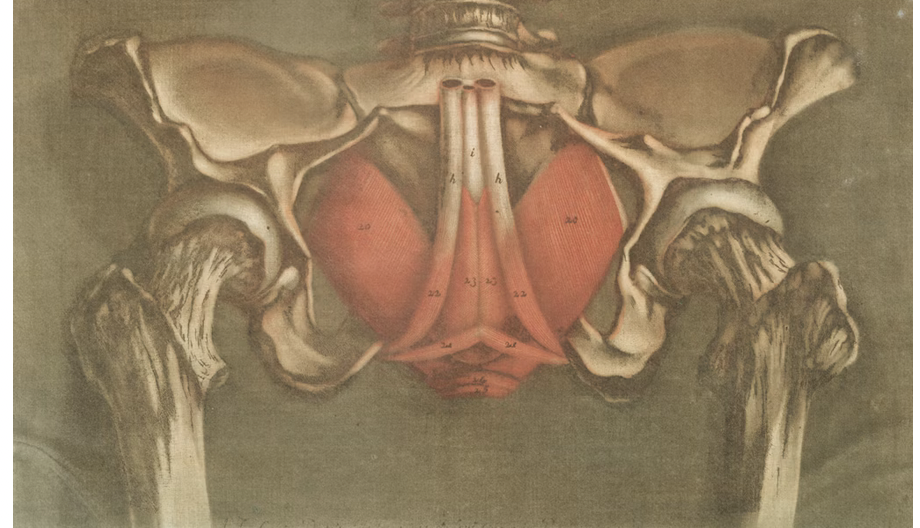
Your pelvis resembles a little bucket. Hip bones make the walls and the bottom, which we commonly refer to as the pelvic floor, is made of muscles, nerves, and connective tissues. The pelvic floor supports your lower abdomen organs—intestines, bladder, and reproductive organs. The muscles control several functions such as urination, defecation, and assist in sexual activity.
What is the Pelvic Floor?
Sandy Cohen, a UCLA health writer says it best. “The pelvic floor is a group of muscles that stretches from the pubic bone to the tailbone, supporting the pelvic organs including the bladder, urethra, bowel, rectum and anus. The pelvic floor also supports the vagina and uterus in female bodies and the prostate in male bodies.”(1)
Additionally, the pelvic floor helps absorb pressure during activities such as weightlifting, crouching, and sitting. It also acts as a protective shield for organs and the spinal cord.
What Causes Pelvic Floor dysfunction?
- Radiation therapy. This is top of the list because radiation can cause serious damage to the pelvic floor and organs that shows up immediately after treatment or years later. Radiation burns many cells, leading to shrunk tissues and nerve atrophy along with tight connective tissues. The bladder size often reduces after cancer treatment with radiation. However, proper exercises will restore the flexibility and elasticity of the muscles and connective tissues, and the bladder can return to normal size over time. Nerves take a very long time to heal. Always consult a physical therapist after radiation therapy to restore full mobility and functionality. It may take time and some work to regain all that you lost, but the body always wants to heal, given the proper help and time.
- Constipation. As a nutritionist, I encounter so many people who suffer from constipation, which ranges from mild (every other day) to chronic (every few days) and all the way to constipation that lasts over a week and breaks unexpectedly into soft and hard stools expelled without rectal control. These patients cannot make plans to do activities that require being several hours away from the bathroom (long drives, hiking, snorkeling, travel). Chronic straining wears out and weakens pelvic floor muscles. Stress on pelvic organs and nerves leads to bladder and bowel dysfunction. The patient may experience accidental bowel leakage, uncontrolled gas with a smell of rotten meat, and a feeling of constant fullness in the lower abdomen. As the stools accumulate, they descend into the rectum and fill it up without release. A full rectum presses against the bladder, reducing the space available for the bladder to expand. As a result, the bladder fills up too quickly and can leak if the patient can’t find the bathroom right away.
- Obesity. As stated above, the pelvic floor is a little bowl that holds our lower abdomen and organs. Excessive weight, particularly in the abdomen and accumulation of visceral fat, increases the load on the pelvic floor, weakens its muscles, and numbs the nerves.
- Childbirth Giving birth to large babies can put stress on pelvic muscles, weaken them, stretch them, and even cause injury to the nerves. During a vaginal birth, the muscle that keeps the organs lifted and in place, called the levator muscle, stretches three times longer than its normal length. When babies are large or when the mother is older or has a small pelvis, this elongation to accommodate the birth can tear the levator muscle, resulting in pelvic floor dysfunction and interruption in bodily functions. However, these injuries are now detected early with an ultrasound or MRI, and clinicians can evaluate the patient and prescribe an appropriate treatment.
- Back pain causes back nerves and muscles to be strained, tight, and even inflamed. That puts stress on the pelvic muscles and nerves, leading to urinary incontinence, bowel incontinence, and pelvic discomfort. However, this is the easiest pelvic floor dysfunction to reverse. Once the back pain is resolved, the pelvic floor returns to normal function. In cases where back pain cannot be treated completely (car accidents, disease, congenital health problems), a physical therapist can train the patient to do exercises to improve pelvic floor health.
- Bladder inflammation: more common than you’d hear about. This isn’t something people will post about on social media or share with their friends at a happy hour. But it is prevalent and affects mainly menopausal women. During menopause, the urethra becomes dry and shrinks. The vaginal microbiome also diminishes, allowing pathogens to multiply in the vaginal canal and around the urethra to pathogens. An untreated urinary tract infection can infect the bladder and become chronic. Other factors can lead to bladder inflammation—medical treatment, hygiene products, spermicides, and irritation due to certain fabrics.
How to Prevent Incontinence?
If you have read my previous posts, you would learn that constipation is one of the easiest GI dysfunctions to fix. Here are some steps you can take to prevent constipation:
-
-
-
- The first solution to constipation is to avoid all dairy products. This includes milk, yogurt, cheese, whey protein, and any food that includes cow milk products
- Avoid processed meats
- If you suspect a gluten intolerance, it’s a good idea to avoid gluten as well.
- Eat a diet rich in fiber, particularly cruciferous vegetables—broccoli, cauliflower, kale, cabbage
- Eat lettuce daily. Lettuce is a natural laxative and will provoke a BM the very next day. Kale is another natural laxative, but requires cooking
- Drink at least 2 liters of water a day. Hydration helps, but by itself will not fix constipation.
-
-
Physical therapy and exercise are recommended if there muscle or nerve damage or injury. For childbirth-related pelvic floor relaxation, physical therapy, Keigel exercise will help regain muscle elasticity. Some women may experience vaginal changes that may affect their sexual activity. A lot of plastic surgeons these days specialize in this area and can help restore appearance and tighter tissues.
Finally, for any type of inflammation, your first solution is an anti-inflammatory diet. One of my clients had chronic constipation for many years—most of her adult life. She could never go on long hikes or participate in any activity that requires being away from the bathroom for a long period of time. She said she’d be constipated for several days, then suddenly she’d have the urge to go and everything would come out at once. Needless to say, this kind of situation makes life complicated on so many levels: sitting in long meetings at work, worrying it would happen at night when sleeping with someone else, and dating activities.
Bladder inflammation and Anti-Inflammatory Diet
Bladder inflammation needs medical intervention. But this is one case where hydration can go a long way. By urinating frequently, bacteria cannot collect and multiply. Hence, drinking a lot of water throughout the day (gulping a lot of water all at once will not work) will flush out the bacteria and also help keep your kidneys healthy.
The last thing you want to add to your eating habits is an anti-inflammatory diet. You may want to read my previous post to learn more about inflammation and foods that help eliminate it.
Finally, you can watch this video where I gave a seminar about gut inflammation and how it affects the pelvic floor and if you have any questions, I am here to answer them and guide you to find the best help solution.
CITATIONS
UCLA article: An important web of muscles that often goes overlooked
Cleveland Clinic: Pelvic Floor Dysfunction