
Table of Contents
When it comes to cancer prevention, reducing inflammation, and fighting infections, a few foods can compete with berries. Their vibrant colors, sweet flavor, and versatility of use make them the easiest food to incorporate into any diet. These superfoods can help reduce the risk of cancer, lower inflammation, and boost your immune system to fight infections.
Whether you enjoy blueberries, strawberries, or raspberries, adding these little gems to your meals will provide you with antioxidants, vitamins, fiber, and so many other nutrients vital for good health. But that’s not all. Due to their high content of the antioxidant family, anthocyanins, they can help improve brain function, slow the growth of certain cancers, and even reduce the risk of developing Parkinson’s disease. Berries also contain a high amount of vitamin C, which helps absorb iron and power up detoxification enzymes to reduce inflammation.
Blueberries for Your Heart
Even though studies on humans are limited, the ones conducted on laboratory animals show that consuming blueberries regularly increases antioxidant activity in the blood and helps prevent DNA damage. Their high content of fiber, anthocyanins, and resveratrol helps lower cholesterol, triglycerides and reduce oxidative stress.
“The cancer-fighting agents found in blueberries include anthocyanosides and resveratrol. Anthocyanosides are one of the most potent antioxidants and have been found to have a number of anticancer properties, including radical scavenging activity, stimulation of phase II detoxifying enzymes, and reduced cell proliferation and inflammation. Resveratrol, which is also found in the skin of red grapes, also has a number of health benefits. Along with promoting cardiovascular health, resveratrol is able to inhibit all carcinogenesis stages. This powerful antioxidant not only acts as a chemopreventive agent, but also displays chemotherapeutic properties such as anti-inflammation.” (3)
Here is a short list of known nutrients in blueberries:
Fiber
Vitamin C
Anthocyanins
Flavonols
Phenolic acids (mainly chlorogenic acids)
Flavones
Flavan-3-ols
Tannins (proanthocyanidins and ellagitannins)
Quercetin
Lutein
Strawberries for Cancer Prevention
There isn’t one person who doesn’t like fresh strawberries (unless they’re allergic). These small, heart-shaped fruits are often associated with summer. They enter the market at the end of May and can be enjoyed fresh until the end of summer.
This is perhaps an unknown fact worth stressing. Strawberries contain more vitamin C than oranges. They’re packed with antioxidants called polyphenols which play a role in the protection of cellular membranes and neutralize free radicals —unstable molecules that destabilize healthy ones and cause DNA damage, the main cause of cancer. To learn more about free radicals and cancer, you may visit this article: 4 Factors that Promote Cancer.
Strawberries are also a good source of manganese, an ultratrace minerals, necessary for the activation of enzymes and bone and tissue formation. However, you need to eat strawberries red and ripened under the sun so they had a chance to build these micronutrients and the antioxidants that are your strongest cancer defense.
Long-term research has demonstrated that people who consume antioxidant-rich fruits like blueberries and strawberries regularly experience a slower rate of cognitive decline as they get older, reducing the risk of Alzheimer’s disease.
“Epidemiological studies have noted a consistent association between the consumption of diets rich in fruits and vegetables and a lower risk for chronic diseases, including cancer and cardiovascular disease. There is accumulating evidence that much of the health-promoting potential of these plant foods may come from phytochemicals, bioactive compounds not designated as traditional nutrients. In strawberries, the most abundant of these are ellagic acid, and certain flavonoids: anthocyanin, catechin, quercetin and kaempferol. These compounds in strawberries have potent antioxidant power. Antioxidants help lower risk of cardiovascular events by inhibition of LDL-cholesterol oxidation, promotion of plaque stability, improved vascular endothelial function, and decreased tendency for thrombosis.” (1)
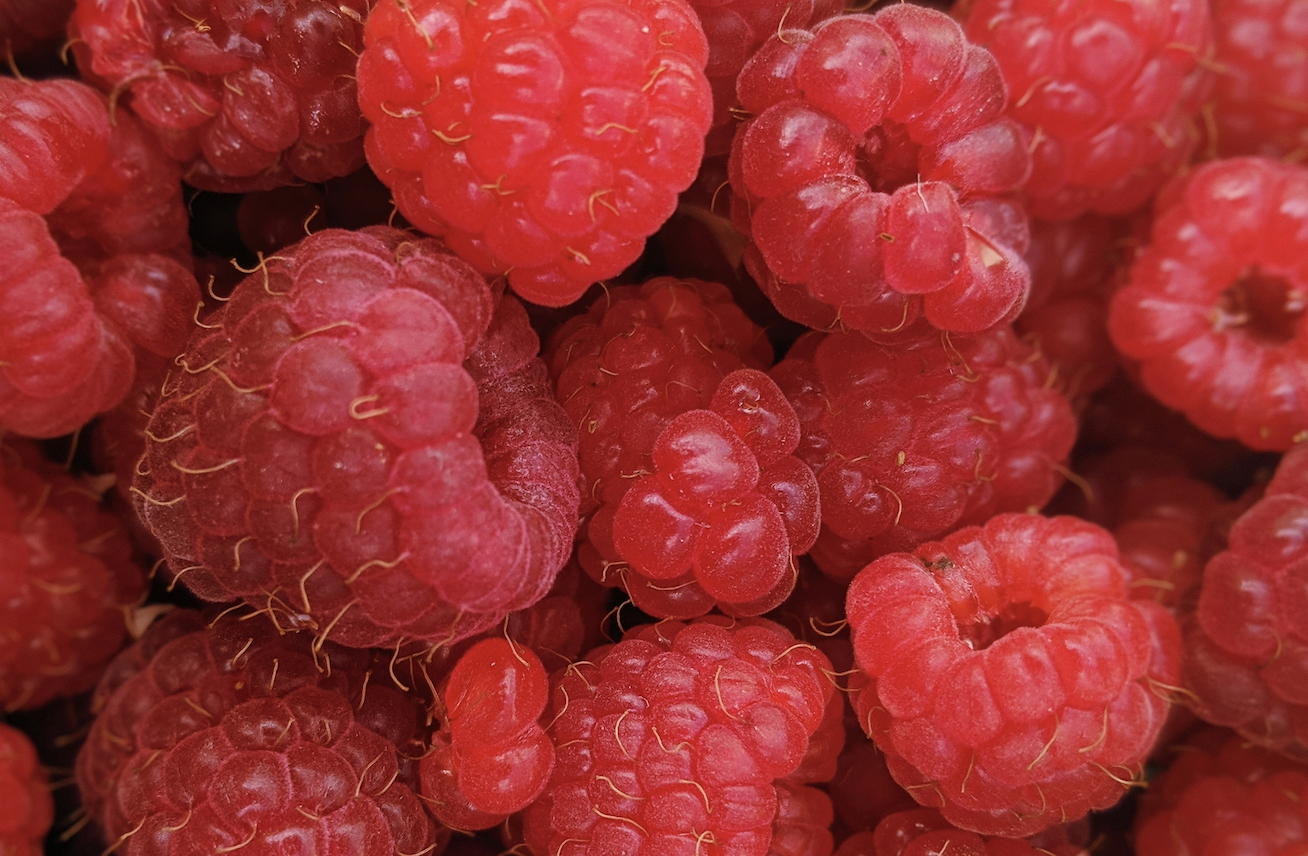
Raspberries to Fight Inflammation
People with type 2 diabetes, obesity, and autoimmune disease are particularly sensitive to inflammation. When working with these patients, I always start with an anti-inflammatory diet composed of green leafy vegetables and encourage them to eat kiwi (high in vitamin C), pineapple for its high content of bromalain, a known phytonutrient known to reduce inflammation, and of course berries. The inflammation decreases within a week and is usually completely gone within 3 months.
Raspberries are a rich source of bioactive polyphenols, including anthocyanins and ellagic acid (They have three times more ellagic acid than strawberries). Studies have shown a decrease in arthritic inflammation in lab animals fed with red raspberry extract for 30 days. “At the higher dose, animals treated with RRE had a lower incidence and severity of arthritis infammation compared to control animals. Also, histological analyses revealed significant inhibition of inflammation, pannus formation, cartilage damage, and bone resorption by RRE. This study suggests that red raspberry polyphenols may afford cartilage protection and/or modulate the onset and severity of arthritis.” (2)
In addition to the antioxidants, raspberries are a powerhouse of micronutrients, which include potassium (187mg/cup), magnesium, and calcium, in addition to vitamin C and folate.
Cranberries against Infections
These crimson berries, found only once a year in grocery stores, are packed with essential nutrients and antioxidants. They are mainly known as an antidote to urinary tract infection. In 1994, Harvard Medical School conducted a study that found that regular ingestion of cranberry juice reduced bacterial accumulation in the urinary tracts of senior women. Another study, a few years later, by Rutgers University identified the compound responsible for the antibacterial effect of cranberry juice. It was a type of tannin called proanthocyanidins that prevented E. Coli (the culprit in UTI) from adhering to the cells of the urinary tract. Unable to attach, the bacteria are flushed in urine before they have a chance to infect.
But these little warriors don’t stop there. Due to their high content in antioxidants such as quercetin, myricetin, ursolic acid, and anthocyanins, cranberries can help reduce the risk of cancer, cardiovascular disease, inflammation, and even improve eyesight.
Fresh or Frozen
This is the question everyone asks of nutritionists. Berries are frozen quickly after picking, and they remain high in nutrients and protective phytochemicals for months. When not in season, save money and enjoy all the antioxidant benefits and convenience by choosing frozen berries.
Organic vs. Conventional
While the health benefits of berries have been proven in several studies over the years, there can be a downside to eating them. They are among the top sources of pesticides and washing them doesn’t eliminate residues. Strawberries, for example, are sprayed with pesticides before the seeds are planted. Other berries are sprayed regularly, so the pesticides have already penetrated their delicate flesh.
The Environmental Working Group includes blueberries and strawberries in its Dirty Dozen list, as of 2025. To ensure that your berries are “clean”, buy them organic and local when possible. Consumer demand drives production. Every time you purchase an item, you are voting with your dollar. Why not demand the highest quality?
How to enjoy berries
Berries are the lowest in sugar compared to most fruit, thus have a low glycemic index and won’t spike your glucose, even if you have diabetes. People looking to lose weight can enjoy them as snacks or as dessert without worrying about calories. However, they do spoil quickly, so make sure you eat them within a day or two of the time of purchase.
You may try them in smoothies, snacks, cold fruit soups, fruit salads, and of course the famous and traditional cranberry sauce.
Berry Smoothie Recipe
Enjoy this easy and delicious homemade berry smoothie or dessert
Raspberry Smoothie
¼ c whole almonds (not roasted)
1 ½ cup non-dairy milk (soy, almond, or oat for a creamier texture)
1 to 2 tablespoons of sugar or raspberry jam for a more intense flavor
2 cups of blueberries, raspberries, or strawberries, fresh or frozen
Blend all ingredients in a powerful blender in the order listed
NOTE: Almonds add protein, calcium, and vitamin E and make this smoothie creamier. If you want your smoothie more liquid, add ½ cup of water. You may also add 1 teaspoon vanilla extract and top with toasted almond flakes to serve as dessert.
Citations
1.National Blueberry Month: Health Benefits and Cancer Prevention
2.Potential impact of strawberries on human health: a review of the science