
What is the Mediterranean Diet?
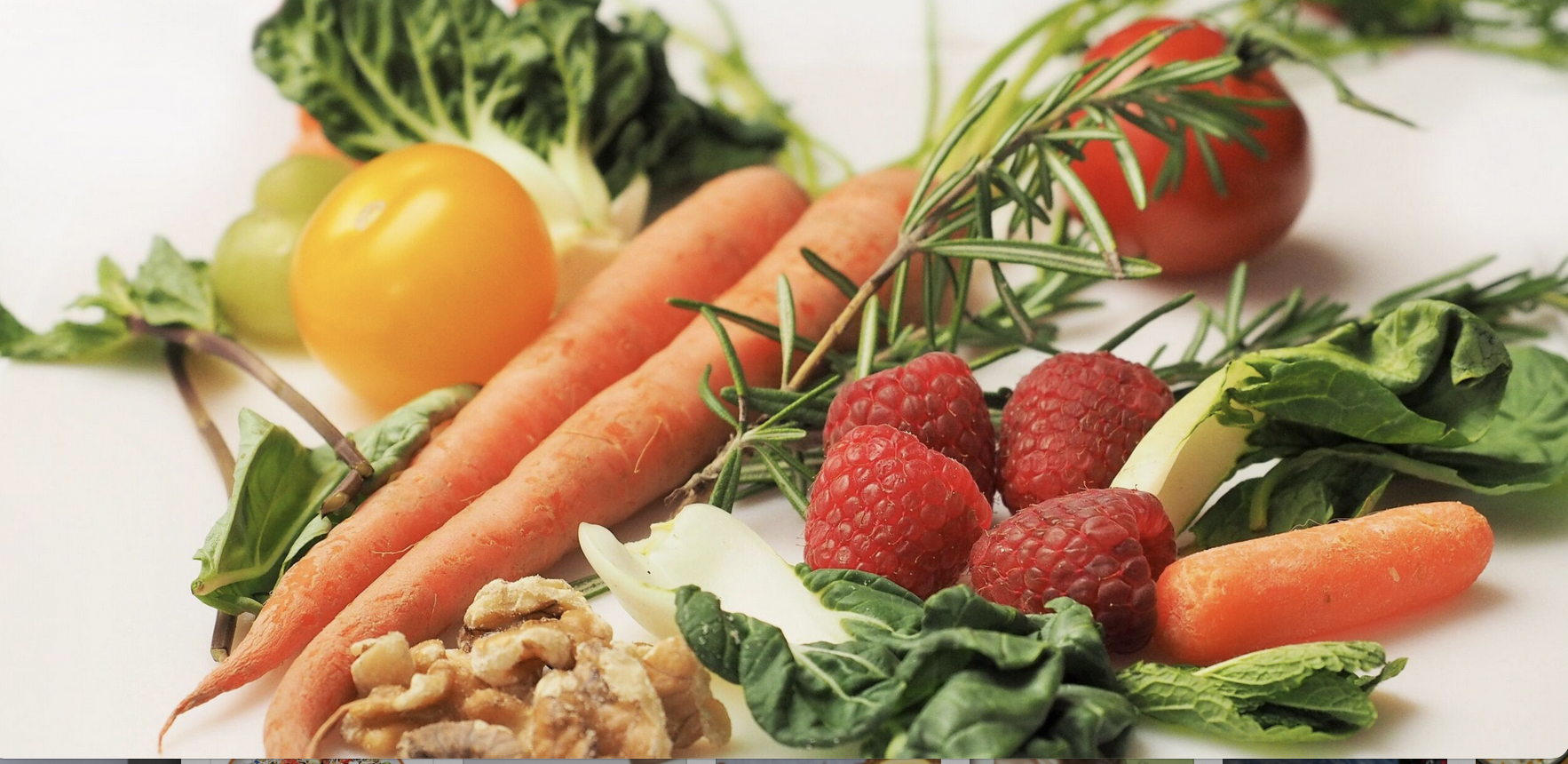
A Mediterranean diet comes from the traditional eating pattern of people from countries bordering the Mediterranean Sea. These include Greece, Italy, and Spain. It favors plant-based foods more than animal foods. Although there is a little bit of fish and meat included. Most of the fat comes from olive oil and nuts.
An important point ignored by most literature about the Mediterranean diet is the quality of the food. Most fruits and vegetables are locally grown (or from nearby countries). It’s free of food additives and most of the seasonings are achieved with olive oil, herbs, spices, garlic, and vinegars. There is no sandwich bread, hot dog buns or other highly processed flour-based products. Bread is baked daily from scratch at a bakery. Sugary treats such as ice cream and candy are a rare treat, usually reserved for holidays.
People rarely eat in restaurants. They reserve a portion of their day for food prep and they enjoy home-made meals as a family.
Composition of the Mediterranean Diet
- vegetables
- fruits
- olive oil
- whole grain breads and cereals
- legumes (e.g. chickpeas, beans, lentils)
- nuts and seeds
- fish and seafood but only in season
- onion, garlic and other herbs and spices (e.g. oregano, coriander, cumin etc.)
Foods Not on the Mediterranean diet
- Refined sugars: sliced sandwich bread (burger and hotdog buns); ice cream; candy bars, processed baked, sugar carbonated beverages
- Refined carbs: chips, tortillas, crackers
- Ultra processed ingredients: high fructose corn syrup, trans fats, palm oil, artificial sweeteners, packed fried food
- Processed meat: hot dogs, deli meats, beef jerky, pepperoni, bologna
- Fast food meals: fast food restaurants food, frozen or canned meals
Benefits of the Mediterranean Diet
Much has been written about this diet. Scientific trials, nutrition experts, and public health policy makers have agreed that this is the best diet for a variety of reasons. The list of benefits is only a short list of what you can achieve with a Mediterranean diet.
- Weight Loss: the minimal presence of saturated, high cholesterol foods, and ultra processed foods make this diet ideal for losing weight and keeping it off
- Type 2 Diabetes: the high fiber, micronutrients, and antioxidant contribute to prevent diabetes and keeping the blood sugar level healthy
- Inflammation: the antioxidants in the fruits and vegetables help tame inflammation
- Cancer: here again, the presence of antioxidants and the absence of toxic ingredients reduce cancer risk
- Digestion: high fiber foods are essential for the health of the digestive system. Fiber nourishes the intestinal flora which secretes short chain fatty acids on which colonocytes live. Fiber helps to excrete excess oxygen out of the body, which reduces the risk of breast cancer. Fiber also helps lower cholesterol.
Managing weight is an integral part of obesity prevention. Any diet can decrease weight. The problem is most diets (keto, high-protein, Weight Watchers point system) are difficult to adhere to long term. Add to that, these diets are cookie cutters and not customized to the patients food preference. After a while, people get bored by eating the same thing; they crave their old favorites; they miss sharing in the celebrations they used to enjoy. Slowly they gravitate toward their old dietary patterns and the weight returns.
When implemented properly with a nutritionist, the Mediterranean diet is easy to adhere to. Many studies have shown that people enjoy the food and develop healthier eating habits. Positive results encourage long term adherence. However, more studies are needed to assess the long term adherence to the diet. Unfortunately, this is where scientists run into road blocks. Cohort studies can take years to complete and are expensive. People don’t stay in the studies very long; those who get positive results don’t return for evaluation.
Tested by Time, Trusted by People, Proven by Science
Many scientific trials have identified the Mediterranean diet as a unique eating pattern evolved over centuries and centered around a low calorie, low fat, and high plant-based diet.
“The Mediterranean Diet (MedDiet) is a term used to identify a dietary pattern originating from the unique multi-millennial interplay between natural food resources and the eating practices of people living in the Mediterranean basin. Scientific evidence has described the healthy properties of the MedDiet and its beneficial role in several pathological conditions… Several studies demonstrated that high consumption of vegetables or fruit resulted in lower risk for all-cause mortality, CHD, stroke, T2D, colon rectal cancer (CRC), and adiposity” (1)
The Mediterranean diet has been around for centuries. Each country around the Mediterranean Sea has its own traditions and food culture. In some regions, wine is part of the food culture. Others emphasize olive oil and grain. But they all share in one common tradition: food is sacred. Food is how people communicate, express love, celebrate good times, and share special moments.
The Mediterranean Lifestyle
It’s important to make time to shop for fresh ingredients, allocate some time in the week and in the day to prepare home-made meals, and equally important, is what is called in French “bonhomie.” Sharing, communicating, and surrounding oneself with friendly faces.
Can you observe these simple guidelines?
- Share your meals with friends or family
Eat meals and snacks without distractions (e.g. not in front of the TV, at your desk, or while stressed) - Eat slowly so that the taste and flavour can be appreciated
- Don’t season your food with cheese. Opt for herbs and spices instead
- If the supermarket is close to home, walk there instead of driving. Park your car far away to get in some extra steps
- Go meatless 2 days a week and increase your take of plant-based protein
Studies have shown, that more than diet, what makes the populations around the Mediterranean healthier is the lifestyle, which is low stress and revolves around human connections. Church, family, ritualistic celebrations are all essential for both physical and mental health.
So what are you waiting for? Invite friends; have a party. All you need is olive oil, bread, olives, nuts and a bottle of Bordeaux. Need help with the planning? Recipes? Send me a note.
Citations
1. National Library of Medicine (NIH). The Mediterranean Diet: An Update of the Clinical Trials