
Weight loss has been the most discussed topic since the 20th century. New products promising to offer easy and effective solutions to weight loss enter the market daily. Advice, guidelines, and diet plans are constantly shifting and morphing into newer versions. It’s enough to make your head spin.
But weight loss is a lot simpler than that. I am not talking about calories in and calories out. That philosophy has been scientifically disproven. The eat less and exercise more formula has failed. Calorie counting has also failed to deliver sustainable results. The only solution to permanent weight loss is eating according to your body’s needs. How do you know what your body needs?
Every human body needs nutrients; that’s a given. We all need proteins, carbohydrates, and fats for energy, renewal, and healing. We also need vitamins and minerals for energy production, healing, and antioxidant protection. Everyone needs fiber for a healthier digestive system. But how much of that do we need to stay healthy and avoid the accumulating of and encourage weight loss? The answer will surprise you.
When we talk about nutrition, we are concerned with macronutrients (carbs, proteins, and fats) and micronutrients (vitamins and minerals). Macronutrients have calories, while vitamins and minerals don’t. Based on that, we need to increase our micronutrient intake while having just enough macronutrients. Unfortunately, in this day and age, people indulge more in high-calorie, macronutrient-rich foods and consume very few foods containing micronutrients and fiber. An example of that is a cheese omelette for breakfast or macaroni and cheese for lunch. You may find these meals delicious and satisfying, but they are actually very poor in fiber and have little vitamins and minerals. On the other hand, they contain enough macronutrients to last you a couple of days.
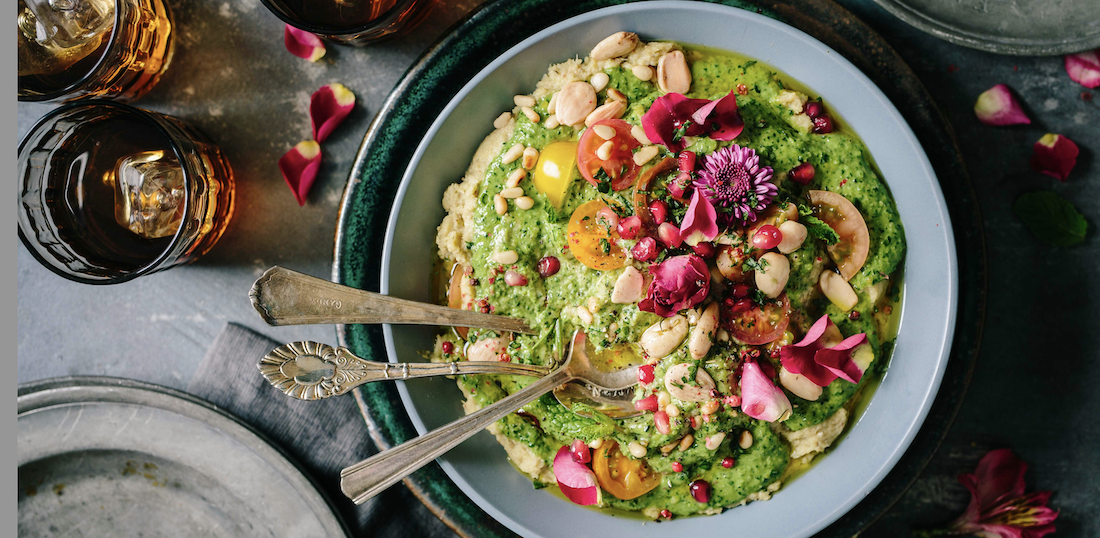
However, if your breakfast is composed of oatmeal, berries, cinnamon and maple syrup, that’s a high micronutrient meal. Oatmeal includes proteins and carbohydrates to keep your energy up, but also contains a lot of minerals such as magnesium, zinc, and iron. The berries are rich in antioxidants, vitamins A and C. And the entire meal is rich in fiber.
Increasing your micronutrient intake while keeping your macros to a minimum will not only help with your weight loss goal, but it will also prevent (or eliminate) inflammation, avoid the metabolic syndrome (high blood pressure, high cholesterol and glucose), keep all your organs healthy: heart, liver, and gallbladder. Eating more fiber will improve your digestion, reduce the risk of colon, breast, and prostate cancer, lower your cholesterol, and help with weight loss or weight maintenance.
The best part of eating a diet higher in micronutrients than macros is the reduction in appetite. My clients see their appetite shrink after 2 weeks on the Microriche diet.
Once your meals are balanced–high micro, low macro, you will feel less hungry, and you will be satisfied with less food because you will be able to extract energy from nutrients more efficiently. This is how you can find out what your body needs. You will be hungry for real food instead of craving sugar, fat, or salt. But that takes time, attention, and training. A clinical nutritionist could design recipes and meals with this combination in mind. It takes 2 weeks for your body to adjust and require fewer calories. Once your nutritional needs are satisfied, cravings will disappear and weight loss will happen organically.
If you can create meals that are high in micronutrients and low in macronutrients, you will eat delicious foods that will keep you satisfied, healthy, and prevent weight gain. But equally important is the removal of foods that don’t serve you. For example, avoid fast food, UPF (ultra-processed food), and drink water instead of sugary beverages.
Here are a few pillars of healthy eating to make your weight loss easier. Healthy eating should not be a plan, a restrictive package, or a set of products for a limited time. Healthy eating is a lifetime pursuit. You eat every day. Make every bite count.
Weight Loss Requires a Healthy Eating Foundation
1. Eat more. Weigh less
The Center for Disease Control and Prevention—and I second that— recommends lowering the amount of fat in your meals and increasing the amount of fiber-rich ingredients. You will reduce calories and gain more micronutrients your body needs as cofactors and antioxidants. It doesn’t mean going hungry or feeling deprived, rather find flavors and textures you enjoy, but in different foods.
Create versions of your favorite comfort foods without animal fats (bacon, butter, cheese). Revamp your potato salad by using Dijon mustard instead of mayo. Add parsley, tomatoes, and cucumber instead of relish, and use olive oil for more antioxidants. You still get amazing and refreshing flavors without cholesterol and saturated fat. The parsley will provide you with a boost of antioxidants and fiber, as well as potassium, calcium, and zinc, all easy to digest and bioavailable.
2. No deprivation
The first thing you need to know about weight loss, and all nutrition experts agree, is extreme dieting is unrealistic and leads to more suffering than long-term weight loss results. If you create meals that are higher in micronutrients than macronutrients, you won’t need to worry about portions. There is a plethora of desserts and treats that don’t have butter and tons of sugar, yet are delicious.
Consume with moderation. Moderation means reducing the frequency, not necessarily the quantity. Instead of eating one small muffin and feeling unsatisfied, enjoy 2 or 3, but eat them once or twice a week instead of every day. Better yet, on the day you eat the muffins, don’t eat pasta or meat. In other words, avoid foods too high in macronutrients.
Trying to lose weight doesn’t mean you can’t dine out. To the contrary, you need to learn how to find healthy options when you travel, socialize, or during holiday celebrations. Remember, you are changing the way you eat for a lifetime, not a quick fix for a few weeks. So, go out to your favorite restaurant and peruse the menu to find something you can enjoy and stay on the healthy path. Food is everywhere. You cannot isolate yourself and stay safe.
3. Eliminate or reduce saturated
The SAD diet (Standard American Diet) focuses on meat, poultry, processed meats, and cheese. You will not find one nutritionist or doctor who will tell you these are healthy foods. Saturated fat increases inflammation, cancer risk and contributes to your waistline.
When I ask my clients about what they eat, the answer is always “chicken, steak, seafood.” They never mention legumes, whole grains, or vegetables until I ask them. Then they’d say, “Yes, a typical meal is a protein and a vegetable.” Let’s be clear about ONE thing. Meat is not a protein. It’s a food. Protein is a chain of amino acids and tastes bitter if you were to eat it in its raw form.
There are proteins in so many foods. Replace meat, at least 3 times a week, with protein-rich legumes such as beans, lentils, and chickpeas. There are so many varieties of beans. You are really missing out if you have not tried more than the usual black and kidney bean variety. Instead of saturated fat, these protein sources come with fiber and antioxidants, all of which are not present in animal foods such as meat and dairy products.
Many health experts recommend that the dinner plate be composed of two-thirds or more vegetables, and one-third whole grains and legumes for protein. Consider trying two meatless nights per week and serving legumes and whole grains instead of meat. You will reduce saturated fat and save money. Meat is the most expensive item on the menu. A pound of meat costs $7 to $25. Compare that with a lb of lentils or beans at less than $3. It will make a meal with several servings, and the leftovers can last for weeks. Plant foods don’t spoil as fast as meat because decomposers are only interested in flesh. Plant foods can ferment or mold, but it takes up to 2 weeks or longer.
4. Planning is the Key to Success
High-calorie foods are as abundant as sunshine in the summertime. Be in charge of your food. Everything that goes into your mouth will affect your health and weight. By planning, you will avoid temptation and last-minute bad decisions like grabbing the wrong snack or going to a restaurant under extreme hunger and eating more than you need.
Make a 3-day meal plan with lunch, dinner, and snacks. Then shop accordingly so you have food for home-made meals and you can take leftovers to work for lunch. You may change your mind on what to eat on the third day, but you will have enough ingredients to come up with a different recipe.
Fill your freezer with broccoli, peas, green beans, and veggie burgers. Your refrigerator should always have hummus, a bean dip, onion, garlic, potatoes, and carrots. These ingredients last a long time in the fridge without spoiling. Your pantry should be stocked with rice, quinoa, pasta, canned beans, chickpeas, canned tomatoes, and spaghetti sauce. For best quality, make sure all canned food you buy is organic.
If you have these staples at home, cooking is much easier. You can stop at the grocery store on your way home for a quick run to get fresh vegetables or herbs if necessary. The task of making dinner will be less daunting, less stressful, and you will enjoy more time with your family around the dinner table.
For snacks, having fresh fruit and cut-up fresh veggies are the healthiest fast foods that can be taken to work. Trail mix made with nuts and cherries or plain nuts like almonds, pistachios makes a healthy and satisfying snack. Whole-grain crackers and dairy-free canned soup also make a great afternoon meal, if your day is very long and your dinner is stretched more than 3 hours after your lunch.
5. Take it Easy with Teeth
You are not just eating for weight loss. Your main goal is to be healthy. Don’t inhale your food. Take time to enjoy it. Chew everything to a paste to release the flavors and improve digestion. Don’t wash your food down with water. It’s best to drink 30 minutes before a meal and 2 hours after to let the stomach churn the food before it sends it to the lower organs. Focus on satisfaction rather than fullness. Remember to fill up on fiber and nutrients, rather than calories.
Other strategies helpful for weight loss is the mindset. Making a promise to yourself and keeping it. Set SMART goals (specific, measurable, attainable, realistic, and time-bound.)
Health Is Forever
You will be eating for the rest of your life. It isn’t worth investing some time to learn to do it right. You do so many things during the day. You spend years perfecting your craft, art, and being the best at your job. Why is eating a second thought? Eating is the most import act you do each day. It’s what keeps you alive and healthy; eating is also a source of pleasure; food is used to make connections and build relationships. Neglecting your food is wasting one of the best parts of life.
Need more tips or help to put it together. You know how to find me. Hit the CONTACT US button and we’ll take it from there.