
Transition to a Gluten-Free Diet
Adopting a gluten-free diet can be intimidating. You may worry about giving up bread, pasta, and many of your favorite dishes. Rest assured, the food industry is aware of your struggles. With more and more people diagnosed with gluten intolerance or allergies, there is increasing awareness of gluten-related health problems, and it is now possible to eat gluten-free anywhere. Labeling has vastly improved over the years, making it easier to avoid gluten. Many product replacements, such as pasta, pizza crusts, and cake mixes, are available on the market at a higher quality than ever before.
What is Gluten?
Gluten is the name given to proteins found in certain grains. Although most of the gluten in our diet comes from wheat, gluten can also be found in other grains such as rye and barley. Less common grains that contain gluten are spelt, kamut, farro, einkorn, and Khorasan wheat. Oats by themselves do not contain gluten, but they are processed in the same facilities that process gluten-containing grain which results in gluten contamination. If you are highly sensitive to gluten, it’s best to use oat products labelled as gluten-free.
How to Avoid Gluten?
The first step is to do a kitchen inventory. Items like condiments contain trace amounts of gluten, but in combination and consumed frequently, they can have a cumulative effect. Replace items that are available in gluten-free versions. Salad dressings are the easiest to replace, as there is a plethora on the market made without gluten. Soy sauce can be replaced with gluten-free tamari. Always read all food labels to ascertain they’re gluten-free.
Cereal is one area you may encounter difficulty. Most children like one type of cereal and will refuse to switch to another. There are a few gluten-free cereal products on the market, but the choices are rather limited. Currently, you can find gluten-free Cheerios, amaranth flakes, and Rice Krispies. Introduce your child gently to a new cereal without making an announcement, or try a different breakfast altogether. You could add dairy-free chocolate chips or fruit to get the child interested. Van’s waffles are gluten-free and taste as good as regular waffles. There are gluten-free pancake mixes as well if you wish to make them at home.
For adults, soup is a filling and delicious breakfast; a burrito with beans, guacamole, and salsa also comes in handy. Toasted quinoa and buckwheat can be prepared ahead of time and warmed up and served with maple syrup and nuts for a filling earthy breakfast. You may also try plain quinoa with slivered almonds, cinnamon, and your favorite sweetener. Then there is the classic oatmeal with cinnamon, nuts, and raisins or berries.
If you enjoy baking, many gluten-free flour mixes are readily available. You may also try flours from different grains and legumes: rice, chickpea, lentils, millet, buckwheat, almond, tapioca, and coconut. These flours need to be mixed with other flours to produce the proper density or lightness. For example, chickpea flour is too heavy; it needs to be combined with rice or tapioca flour. Xanthan gum can be added as a binder (a replacement for gluten) to give baked foods elasticity, but it requires some training, as using too much can turn your baked treats into rubber.
Replacing Pasta
These days, gluten-free pasta is flooding grocery store shelves. There is a wide variety to choose from and most of them taste even better than wheat-based pasta. Recently, I have seen ziti made with black bean flour, lasagna made with lentil flour, and spaghetti made with corn and quinoa flours. Follow package directions for cooking, as gluten-free pasta may differ from wheat-based pasta.
Doing without bread
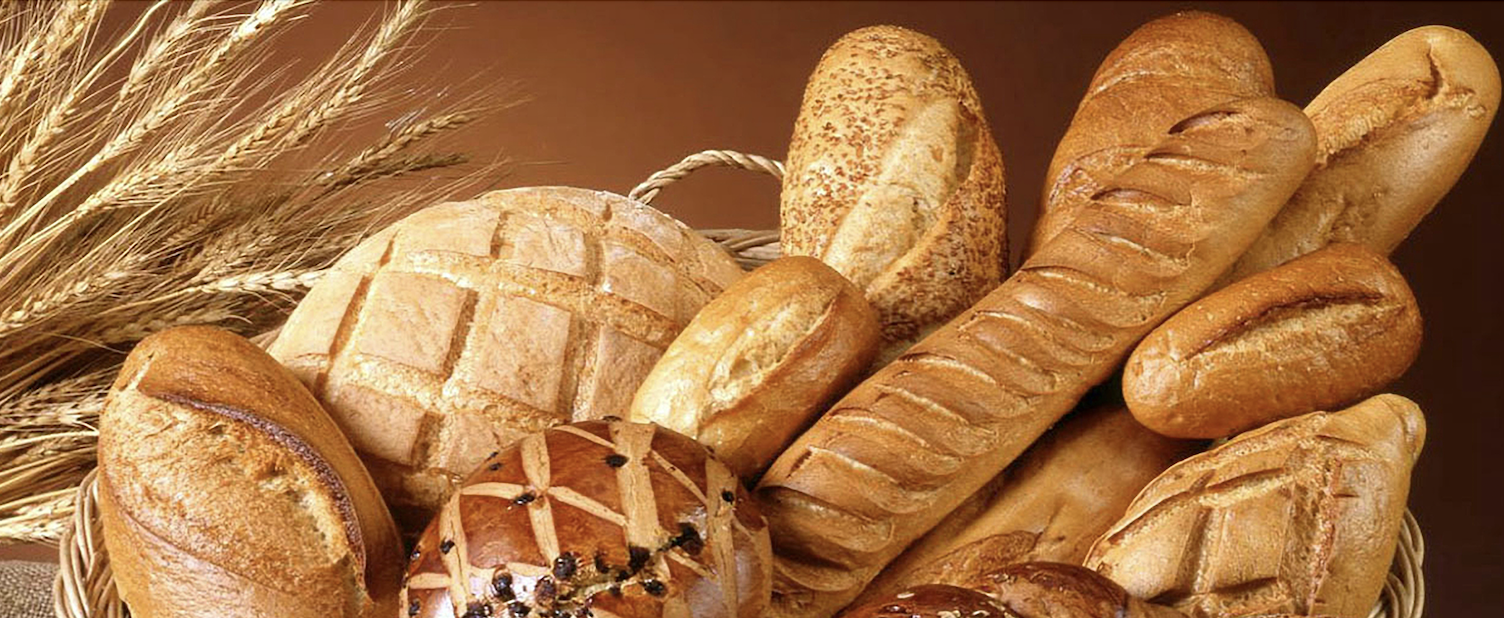
Bread is such a staple in the Western diet. Fortunately, this is one of the easiest foods to replace. Gluten-free breads can be found in the freezer section of most grocery stores. A large selection of gluten-free crackers is also available, as well as gluten-free bread mixes for the baking enthusiast. But most of the time, one can just eliminate bread and opt for foods that can be eaten without it.
Restaurants
This is one area that can present a challenge, but many ethnic cuisines use very little wheat based dishes, so avoiding gluten will not prevent you from having a good meal. Thai, Mexican, and Japanese restaurants offer many menu items without gluten.
Other restaurants will also have dishes that are gluten-free. If dining in an Italian restaurant, you can opt for roasted or steamed vegetables, rice dishes, soups, and salads. This remains true for travel. It is important to do some research at home so you are not surprised when you arrive at your destination. Remember to be patient and flexible. You may not get exactly what you want, but if you keep an open mind, you can explore new foods or just do the best you can until your next meal, where you can find better choices.
Food shopping
When reading ingredient lists on food labels, it’s important to make sure these grains are not part of the product you are buying. Some products will be labelled gluten-free, others might be gluten-free but will not bear the label. By the same token, products labelled wheat-free are not necessarily gluten-free as they may contain components of any of the grains listed above.
There are two drawbacks to gluten-free products. They may not be available in a regular grocery store. They’re often found in specialty or health food stores. The other disadvantage is the cost. Gluten-free flours are very expensive. The same goes for crackers, which come in very small packages.
Learning to eat gluten-free should be more than just replacing your favorites. Exploring other cuisines and dishes that don’t use gluten, learning to cook healthy meals that don’t require bread, and using vegetables and corn tortillas to replace crackers will help you create a varied, delectable diet without missing out.
If you have any questions, feel free to contact me to discuss your symptoms, assess your gluten intolerance, or learn how to change your diet. My solutions are affordable, easy to implement, and preserve nutrient density and flavor in each meal.