

SIBO or Small Intestinal Bacterial Overgrowth is an infection that affects between 2 and 78% of the population. It has taken decades for mainstream doctors to recognize this gastrointestinal dysfunction. Our intestinal lining is made of several layers, including fine membranes, lymphoid tissue, mucus, and enzymes. This is known as the GALT (Gastroenterol-associated lymphoid tissue). It is normal to have bacteria in the digestive system, particularly in the colon, where they assist in the breakdown of carbohydrates and synthesize short-chain fatty acids, which serve as food to colonocytes.
When these bacteria grow to huge populations, they can turn parasitic. They consume nutrients such as vitamin B12 and proteins meant for the body and produce excessive amounts of gas, causing bloating and discomfort. As they continue to grow and deprive the host of nutrients, they also damage the lining of the intestines, leading to leaky gut syndrome, poor digestion, and malabsorption of nutrients, resulting in malnutrition.
Untreated SIBO can cause serious harm by depriving the host of nutrients. Vitamin and mineral deficiencies are detrimental to your overall health, including bones, the nervous system, and brain function.
Causes SIBO and How it Affects Your Gut Health
Many factors contribute to SIBO. A poor diet, infection, low acid in the stomach due to antacids or prolonged use of other medications, and small intestine dysmotility, which happens when small intestines are too slow in emptying waste into the colon. Bacteria take advantage of this opportunity to multiply as they feast on the waste while the colonic bacteria infiltrate the small intestines. Small intestine dysmotility disorders include gastroparesis, intestinal pseudo-obstruction, and hypothyroidism.
Who Is at Risk for SIBO?
Patients who take large amounts of medication regularly, those with immunodeficiency disorders, or those undergoing cancer treatment (radiations to the abdomen or pelvis) are in the high-risk group for SIBO. Diabetes, lupus, IBD, pancreatitis, Celiac, and chronic renal failure are also high-risk factors.
Some foods also encourage bacteria to grow, namely, refined sugar, fructose (fruit and fruit juice), and dairy products.
SIBO Diagnosis
SIBO symptoms intersect with so many other digestive disorders that it’s difficult for medical professionals to identify them immediately. This is why it’s crucial to be aware of all your symptoms as soon as they appear. If you have a proper medical history, medical professionals can eliminate symptoms you’ve had in the past or investigate their origin and determine if the new symptoms are related or of a different cause.
Three tests to diagnose SIBO
- A breath test. Non-invasive and affordable. It measures the levels of hydrogen and/or methane in the breath. If the level of these gases is higher than an established threshold, SIBO is likely the cause.
- Metabolic test. This is a urine test to check for vitamin and mineral deficiencies.
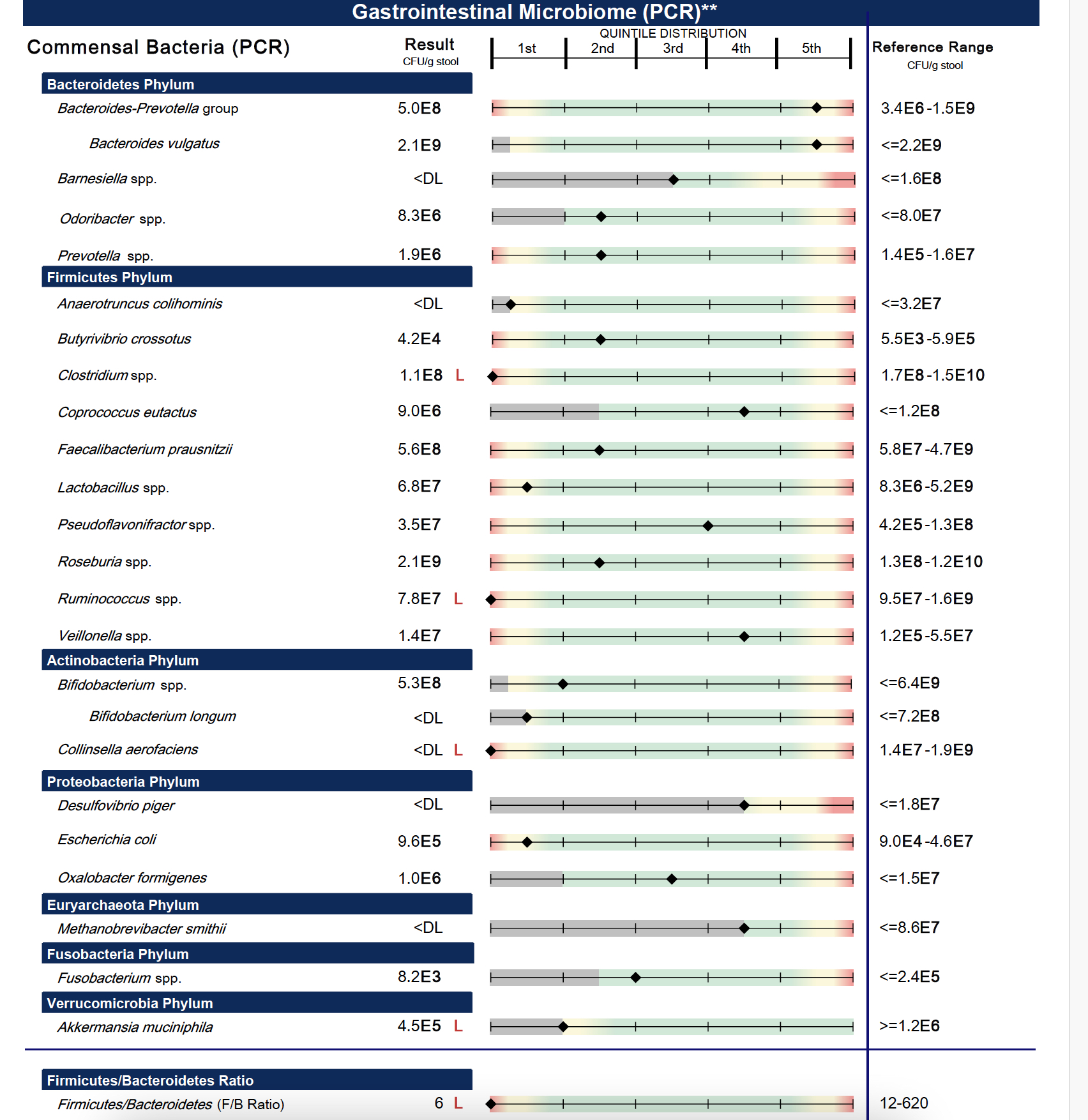
- Stool test to check for bacteria imbalances, undigested fats, carbohydrates, and proteins, level of different short-chain fatty acids, and leaky gut syndrome. This is our preferred test because it provides a lot of information about the colon and the small intestines, along with pancreas, and stomach.
SIBO Treatment to Heal Your Digestive System
In the most severe cases, antibiotics can be a starting point. But they should be a short-term solution as they come with their own set of side effects.
At Zizania, healing the digestive system is our priority. We start our patients with a 3-week low FODMAP diet. They receive custom-made recipes so they can still enjoy eating good-tasting food. During this time, we also remove most sugars and dairy. After the SIBO-eradication period, we assess the progression of the healing and make changes as necessary. If there is improvement, more foods can be added but still without dairy or refined sugar. We monitor the patient to ensure adequate intake of essential nutrients, preservation of quality of life, and management of any arising symptoms.
After 3 months, we run a follow-up test to assess the healing status. If the intestinal bacteria returns to normal, the patient can resume normal eating, but a dietary adjustment might be necessary to prevent a recurrence. If SIBO is still present in the new test, then further tests might be needed by a medical professional to identify any structural problems, autoimmune disease, or a more advanced medical condition.
A Note From Dominique
If you are experiencing gastrointestinal symptoms — bloating, gas, constipation, bad breath, indigestion, you probably have some digestive problems, but not necessarily SIBO. The first step is to make a few changes to your diet and see if it makes a difference. If your symptoms persist, you need to talk to a professional for an in-depth analysis. Contact us for a free SIBO consultation.