
Table of Contents
New research has found that fiber may be as effective as the medication Ozempic in stabilizing glucose levels and aiding in weight loss. Before we dive into all the benefits attributed to this plant-based nutrient, let’s take a look at what fiber is and its many functions.
What is fiber?
Fiber, also called plant roughage, is the part of the plant that is not digestible by humans. Fiber helps food move through the digestive tract, aiding in the elimination process.
There are two types of fiber: soluble and insoluble. Soluble fiber, which dissolves in water, absorbs fluids in the gut and changes into a gelatinous substance to which impurities attach and then are excreted during a bowel movement.
Among other functions, soluble fiber also slows down the time it takes for the stomach to empty, resulting in a feeling of fullness that lasts longer. It also extends the time at which sugar reaches the bloodstream— a bonus if you are susceptible to glucose spikes or are diabetic. Because it binds to fatty acids, it helps lower cholesterol, which in turn protects against heart disease.
Insoluble Fiber remains unchanged in liquids and travels through the digestive tract intact, hence the name “the colon brush”; its main function is to move bulk and allow for regular and easy-to-pass bowel movements. It also helps regulate the pH in the intestines to provide a healthy environment for the colonic bacteria.
This bowel regularity ensures proper absorption of nutrients, water balance in the intestines, and to avoid bloating, gas, and fat accumulation in the mid-section.
When consumed in the form of food, fiber is more efficiently used by the body than it is in any manufactured form (pills, powders, shakes). More importantly, eating fiber-rich food ensures that you are getting a balanced diet rich in vitamins and minerals.
Dietary fiber, found in whole grains, fruits, vegetables, nuts, and seeds, can help lower blood sugar, stimulate weight loss, lower cholesterol, and decrease the risk of colorectal cancer. You can achieve all this just by eating fruits and vegetables regularly.
Both the American Heart Association and the National Cancer Institute recommend that we consume 25 to 30 grams of fiber daily.
Fiber and Weight Loss
Fiber plays a major role in weight loss. As stated above, it absorbs water and takes up space in the digestive system. The result is satiety without calories. I advised my clients to always start their meals with a salad or several sides of non-starchy vegetables (arugula, broccoli, asparagus, crudités). By the time they eat the protein and carbohydrate-rich ingredients, they won’t be as hungry and will consume a lot less. The satiety lasts longer as the stomach needs time to churn the fiber, extract nutrients, before it sends the bolus to the next stages of digestion.
For those with diabetes, the slow digestion of fiber prevents insulin spikes due to the glucose dripping slowly in the bloodstream instead of all at once. Fiber is better at regulating glucose than protein, because it doesn’t contribute any calories and doesn’t add to the liver workload (digesting proteins requires the use of other nutrients such as vitamin Bs, C, magnesium, and zinc).
Regulating Inflammation
Fiber contributes to low inflammation in the body by keeping the integrity of the gut lining healthy, increasing the elimination of toxins from the body, and escorting out excess cholesterol to prevent its transport to the arteries. Fiber also reduces the risk of breast cancer by binding to excess estrogen in the gut and helping in its elimination.
Cancer Prevention
Fiber is known to decrease the risk of colon cancer for many reasons. First, it provokes a bowel movement regularly and prevents constipation. Doing so prevents toxic waste accumulation in the colon, nurturing of healthy colonic flora, and the prevention of tissue changes that create polyps, inflammation, and other injury that cause DNA mutation, a basis for carcinogenesis.
The second benefit of fiber is that it provides nourishment to the microbiome (healthy colonic bacteria). When this colonic flora is properly fed, it releases a special fat called short-chain fatty acids, namely propionate, acetate, and butyrate. In turn, these fats feed colonocytes. In other words, fiber keeps the colon fed and clean.
Fiber and GLP-1 Antagonist (Ozempic)
We usually define fiber as soluble or insoluble, meaning the one that dissolves in water and the one that doesn’t. But fiber is more complex than that. There are several types and each with a different composition and function. I am certain you’ve heard of pectin, the substance added to jams to make them jellify. Pectin is also added as a preservative to several foods for stability and to prevent oils from separating. Another familiar fiber is cellulose, the one found in tablets for constipation. Many dieters also know about resistant starches.
But the star of the show is beta-glucan. In several studies, beta-glucan is the type of fiber that contributes to glucose stabilization, colonic bacteria modification to promote the release of butyrate (helps reduce inflammation, promotes the health of cell junctions to prevent leaky gut, and serves as an energy source for colonocytes). Indeed, beta-glucans have shown weight loss and glucose stabilization in several studies.
“Only β-glucan supplementation during HFD-feeding decreased adiposity and body weight gain and improved glucose tolerance compared with HFD-cellulose, whereas all other fibers had no effect. This was associated with increased energy expenditure and locomotor activity in mice compared with HFD-cellulose. All fibers supplemented into an HFD uniquely shifted the intestinal microbiota and cecal short-chain fatty acids; however, only β-glucan supplementation increased cecal butyrate concentrations. Lastly, all fibers altered the small-intestinal microbiota and portal bile acid composition. (1)
*HFD: high-fat diet.
In other words, a healthy diet rich in fiber can provide the same benefits as Ozempic without side effects. Ozempic is known for slowing down stomach emptying to reduce glucose and insulin spikes. However, doing so can cause long-lasting trauma to the stomach and trigger another disorder called gastroparesis (slow emptying of the stomach). The weight also returns when the intake of the medication stops. Fiber, on the other hand, is just food, and you can enjoy it daily.
Fiber Sources
What foods are rich in beta-glucans? You don’t have to buy a special shake, pill, or expensive product to obtain beta-glucans. Here is a list of foods that are rich in this fiber and can be found in your regular grocery store.
- Oats are the richest source, containing 4 to 5 %
- Barley
- Mushrooms, particularly beta-glucans
- Seaweed
- Brewer’s yeast
There are also small amounts present in vegetables like broccoli and peas or legumes such as lentils and beans.
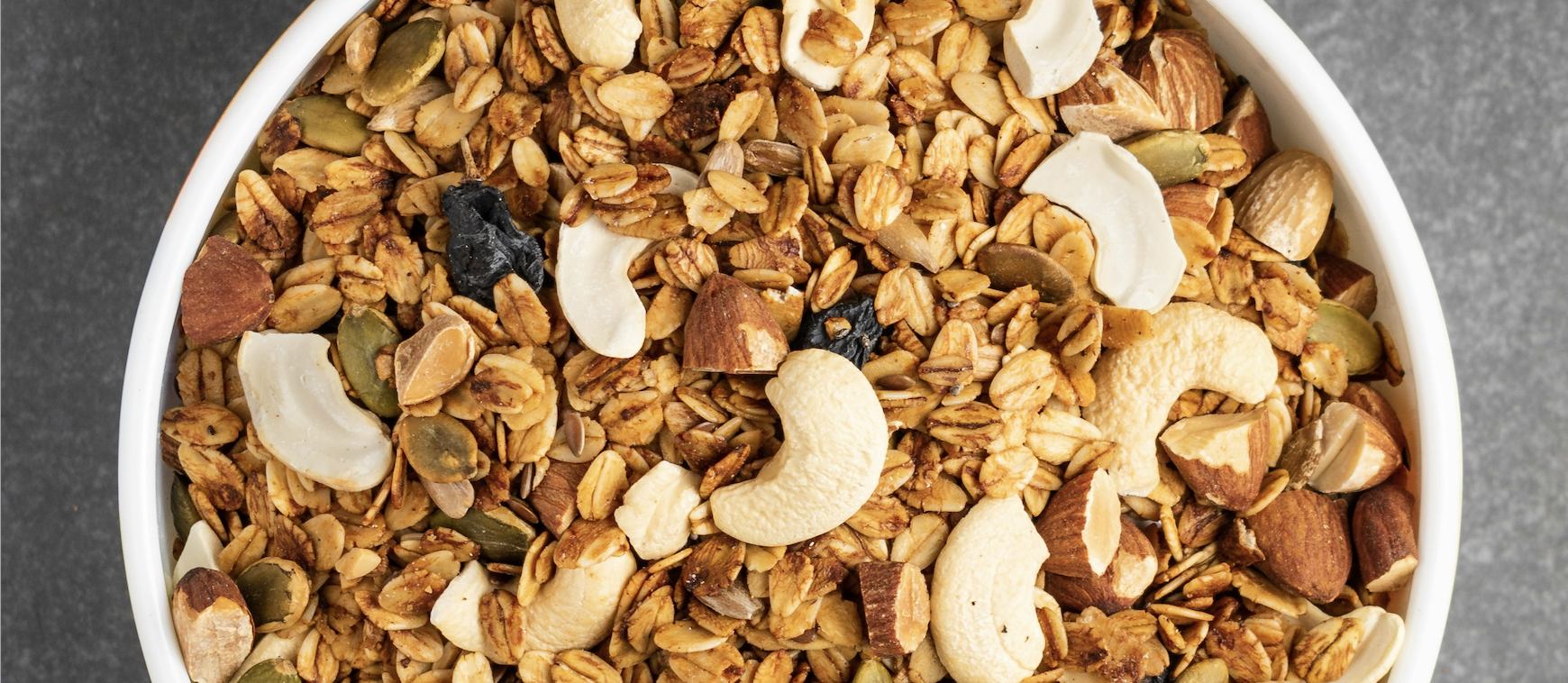
Starting with oatmeal for breakfast, enjoying barley soup, or adding brewers’ yeast to sauces instead of cheese or sour cream will deliver the much-needed fiber. Add rolled oats as toppings to casseroles, coolers, breads, and desserts.
So next time your sweet tooth calls for a treat, enjoy an oatmeal cookie with cinnamon. It’s packed with protein, anti-inflammatory compounds from the cinnamon, and our famous beta-glucans.
Remember, healthy eating doesn’t have to taste bland. You just have to know how to make the right ingredient combinations.
Have a question, need recipes? I am always here to listen…