
 New scientific study in Budapest on menopause-caused weight gain found that making the right dietary changes can improve a woman’s health and avoid the side effects of menopause. It is a known fact that menopause increases the risks of obesity, osteoporosis, and the metabolic syndrome (hypertension, high cholesterol, and diabetes).
To learn about the 3 different stages of menopause and their implications, please refer to the article on menopause on this site by clicking on this LINK.
Why is Weight Loss Difficult During Menopause?
For decades, weight gain associated with menopause was blamed on hormones. “But hormonal changes alone don’t necessarily cause the weight gain. Instead, it’s usually related to aging, as well as lifestyle and genetic factors” (1). Aging is associated with a gradual decline in all physiological functions, and one of these changes that affects weight gain is mitochondrial impairment. The electron transport chain in mitochondria is where energy is produced. When this process is dysfunctional, there is an increase in oxidation and a decrease in antioxidant defense.
“Globally, a reduction in mitochondrial functions, including the activity of ETC complexes, the level of the antioxidant glutathione (GSH) as well as the antioxidant defense enzymes such as superoxide dismutase (SOD), was observed with increasing age” (2).
When your detoxification mechanisms are insufficient or impaired, you accumulate harmful toxins in the body, which damage DNA, leading to disease and altered organ functions. Mitochondrial insufficiency is at the heart of the metabolic syndrome in menopausal women. They often experience fatigue, insomnia, weight increase, pudgy skin, wrinkles, and, in the worst cases, an elevation in glucose, cholesterol, and blood pressure.
Steps to Recovery
The first solution is to consult an endocrinologist, like Dr. SIMON, to obtain a prescription for estrogen. Among its many benefits, estrogen modulates mitochondrial activity. The many positive impacts of estrogen on female health are still under scientific investigation. One thing is certain: low estrogen level increases a woman’s health risks and affect her appearance and accelerate aging.
The second part is to boost your mitochondria. This can be done with both diet and supplements. As you well know, mitochondria are the little furnaces inside our cells that metabolize fat, proteins, and carbohydrates to make energy. For this process to take place, mitochondria need vitamins and minerals to activate their coenzymes. These vitamins include all the B vitamins (B1, B2, B3, B6) and minerals such as zinc and magnesium. But for mitochondrial health, you also need antioxidants to help support the detoxification cycle.
Below is a list of essential nutrients to ensure adequate mitochondrial function:
Antioxidants:
– vitamin A, C, and E
– Selenium
– phytonutrients found in fruits and vegetables (anything with a colorful pigment),
Clean proteins
– Nuts, beans, lentils, chickpeas, hummus, tofu, seeds like chia, sunflower, and pumpkin seeds (animal proteins are complexed with fat and add oxidation. Plant proteins come with fiber and antioxidants).
Healthy fats (aka polyunsaturated fats)
– avocados, nuts, olive oil, canola oil
– Sulfur: high sulfur foods – regenerate glutathione, make more proteins such as cysteine, methionine, neurotransmitters S-adenosylmethionine, S-Adenosyl-l-homocysteine (SAH).
Minerals
– magnesium, zinc, iron, calcium
How Can a Change in Diet Help You?
Whether you are eating healthy or taking supplements, you will not reap the benefits if you have an impaired digestive system. So, the first step in fixing or changing your diet is to ensure your digestive system is healthy and can facilitate the metabolism and absorption of nutrients. Patients who suffer from acid reflux, constipation, diverticulitis, Crohn’s disease, or have had bariatric surgery need to ensure that they are properly treated for these conditions before making any dietary changes.
Then, evaluate your health. When did the weight creep up? Do you have any cravings? Fatigue? Sleep disturbance? Is your blood pressure and cholesterol level normal? Are you on medication? Do you have or have you recently experienced high stress?
Once you have answered these questions, then address them either by making the appropriate changes to your lifestyle or by consulting a professional who can assist you in solving the problem.
To address your diet, start by removing what doesn’t serve you: simple carbs (pretzels, hamburger buns, ice cream, and sugary desserts); eliminate foods high in saturated fat like bacon, eggs, butter, and fried food.
Always avoid ultra-processed foods (UPF). They are loaded with toxic ingredients that wreak havoc on metabolism, disrupt the endocrine system, and exacerbate symptoms of menopause by overwhelming the detoxification systems. UPFs have been implicated in the cause of obesity and type 2 diabetes.
Read food labels in the grocery store to identify ultra-processed ingredients such as maltodextrin, high fructose corn syrup, artificial sweeteners, gums, coloring agents, or hydrolyzed protein. Avoid foods loaded with preserving agents such as benzoates, calcium propionate, potassium sorbate, or Butylated hydroxyanisole (BHA) and Butylated hydroxytoluene (BHT). Always buy recognizable whole food ingredients and seasonings. Choose foods with natural antioxidants such as vitamin C, E, or citric acid.
Finally, supercharge your diet with a variety of fruits, vegetables, nuts, seeds, and healthy oils from foods such as avocados, walnuts, and use olive oil in all your raw dressings. As a side note, always eat your olive oil raw. Once it’s cooked, fried or baked, it loses its health benefits and turns into a free radical. Always cook with a less expensive oil, such as canola (a tablespoon goes a long way) and consume your olive oil raw.
Below is a short list of common healthy foods found in your regular grocery store. They’re actually superfoods that can help boost your mitochondrial health. This is by no means an exhaustive list, but it’s a good start if you want to revamp your diet.
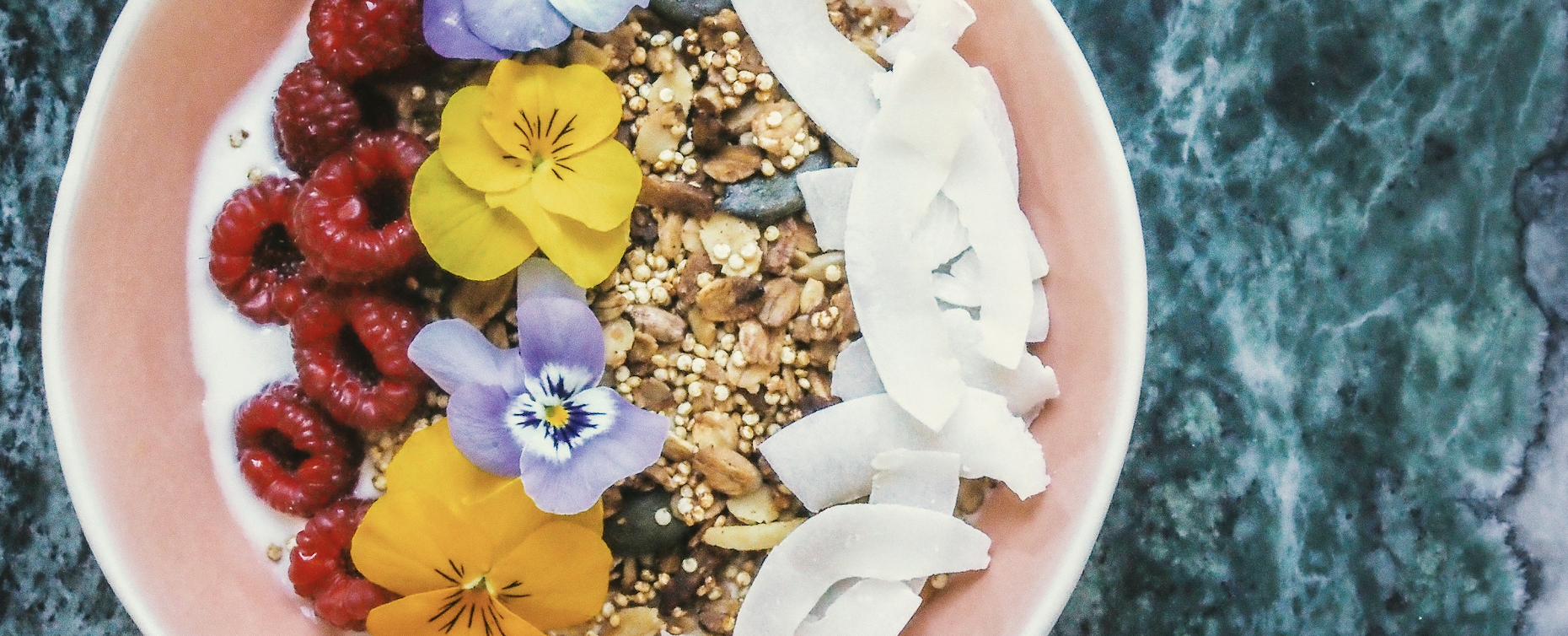
- Berries. A rich source of phytonutrients as well as antioxidants such as vitamin A and C. In scientific studies, they’re found to improve brainpower by protecting the brain and nervous system. By quenching free radicals, they can help prevent cancer.
- Cruciferous vegetables: broccoli, cauliflower, kale, cabbage, Brussels sprouts are an excellent source of antioxidants as well as sulfur as well as vitamin C, B6, magnesium, and iron.
- Dark leafy green vegetables. They provide the essential fiber to nourish the intestinal flora, reduce gut inflammation, lower cholesterol, and aid in the production of healthy bile. Bile is very important for detoxification. These precious vegetables are also chock-full of antioxidants, vitamins, and minerals.
- Olive oil. It’s both a good source of antioxidants and acts as an anti-inflammatory.
- Canola Oil. Despite all the unfounded bad publicity, canola oil is an excellent source of coenzyme Q10, an essential mitochondrial nutrients. CoQ10 is naturally made in the body, unless you’re taking statins to reduce cholesterol. In that case, you need to take a CoQ10 supplement.
- Avocados. A good source of healthy fats, glutathione, vitamin E, and magnesium.
- Nuts. Another source of healthy fats, protein, and antioxidants. Almonds are rich in vitamin E; walnuts contain as much omega-3 as salmon; and for copper, enjoy a generous amount of cashews. Nuts are best when eaten raw to preserve the healthy fats, but roasted nuts won’t destroy the copper or proteins.
- Seeds: pumpkin, chia, sunflower, flax are rich in fiber, protein, and minerals such as zinc, magnesium, iron, calcium, and manganese.
- Root vegetables: carrots, sweet potatoes, potatoes, beets, turnips are very generous with potassium, vitamin A, and healthy carbohydrates.
Hydration is another component we often forget. Drink at least one liter of fresh water daily to facilitate detoxification, keep your kidneys healthy, lubricate your joints, and improve blood circulation. Water also assists in the delivery of nutrients to cells. However, drinking more than 1.5 liters can be harmful. Do not drink 2 liters or more. You’ll dilute your blood, and you will experience overhydration symptoms.
Do you have a question about menopause, nutrition, weight loss, or health in general? Give me a ring, send me a note. I would love to hear from you.

Citations