
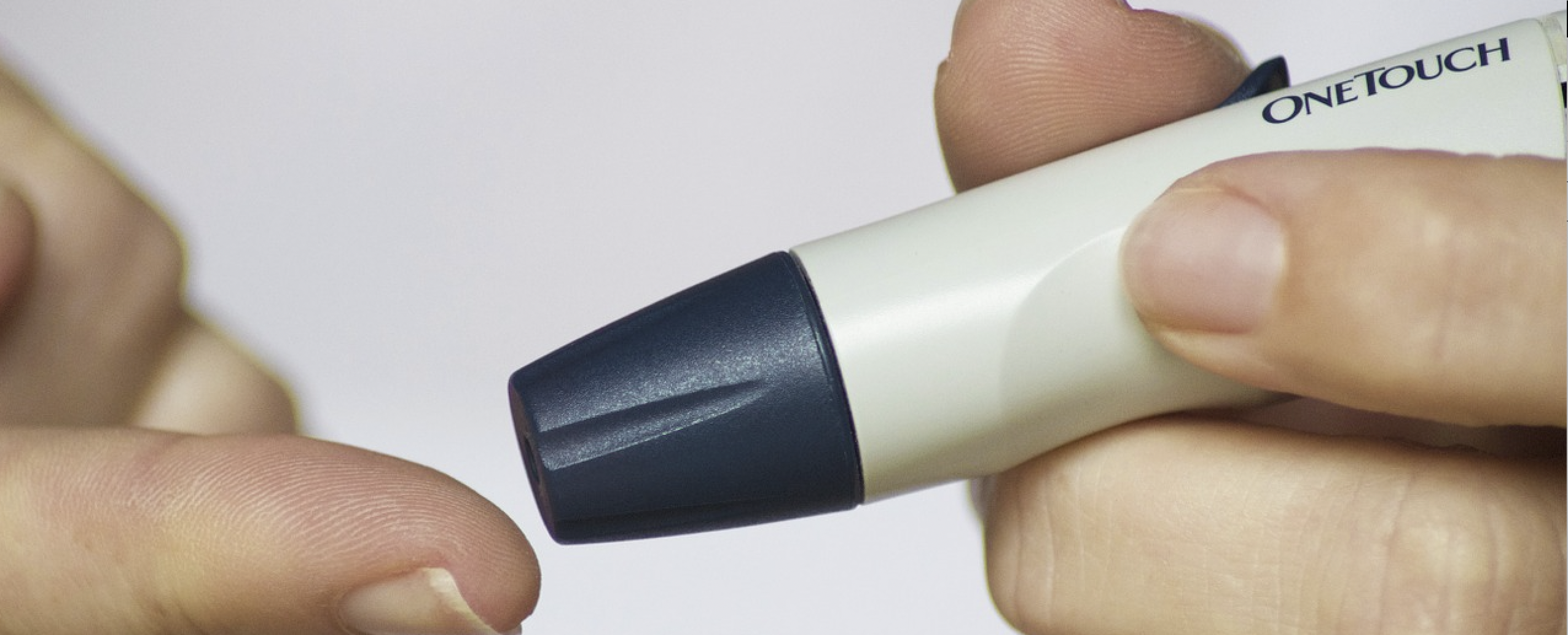
Type 2 Diabetes is more of a condition than a disease. Diabetes is when the pancreas no longer produces insulin and the patient has to inject themselves daily to metabolize glucose. In Type 2 diabetes, the pancreas still produces insulin, but either not enough (pancreatic insufficiency) or it produces the right amount, but the cells’ receptors don’t respond to insulin signaling to uptake the glucose. This is called insulin resistance.
What Causes Type 2 Diabetes
Let’s start by debunking the oldest, most repeated, and most FALSE myth about diabetes. Sugar. Sugar does not cause diabetes. It’s like a student blaming a bad grade on the teacher. The teacher reviewed the work submitted by the student and it didn’t satisfy the requirements. Glucose accumulates in the blood because it has nowhere to go.

Quinoa Salad
Now, let us explain glucose. Everything we eat turns into glucose because it’s the fuel of the body. If you don’t eat any sugar, your liver converts fats and proteins to make glucose. Without glucose, your brain won’t function. This is why a lot of diabetics have brain fog. The glucose floats in the bloodstream and never reaches the brain or other tissues.
Does this mean you should still eat sugar when you have diabetes? Well, it depends on how high your glucose is (how well your body absorbs it). The amount of medication, insulin, dietary changes are all factors that determine how much carbohydrates/sugar is safe for you to eat without provoking a spike.
As for the causes of diabetes, there are many culprits to blame. Although Type 2 diabetes affects mainly adults 45 years of age or older, it’s not uncommon to see patients much younger or even children with this condition.
The short list of Type 2 diabetes causes can be summarized as follows:
- Obesity
- Sedentary life
- Metabolic syndrome
- Polycystic ovarian syndrome (PCOS)
- Stress
- Genetics
The most common cause of Type 2 diabetes is weight gain. Obesity is often followed by the metabolic syndrome—the trio of high blood pressure, high cholesterol, and high glucose (blood sugar). A sedentary lifestyle, even with only slightly elevated BMI (above 24), can lead to diabetes.
Another medical condition that triggers Type 2 diabetes is polycystic ovarian syndrome (PCOS). Women of childbearing age with abnormal menstrual cycle.
I had several patients in my practice who were underweight, with very high glucose levels. They had 2 things in common: they were all males and had very stressful jobs.
Genetics can be a factor, but a very small one. If you live a healthy lifestyle, are of normal weight, and without loads of stress, you won’t succumb to diabetes.
Complications of Type 2 Diabetes
Since glucose travels to all the cells in the body, elevated blood sugar can cause damaged to many part.
- Blood vessel damage. Diabetes is linked to atherosclerosis, increasing heart disease. The narrowing of blood vessels restricts the transport of oxygen to all cells of the body, including the heart. This can lead to stroke, high blood pressure, and brain fog.
- Nerve damage. Elevated glucose damages the tiny blood vessels in feet causing neuropathy. If remained untreated, the neuropathy becomes permanent. Neuropathy can manifest as tingling in the toes, pain and numbness in feet.
- Impotence. The nerve damage in the extremities of the body affects the penis in men and causes erectile dysfunction. This nerve damage can also affect the digestive system. The patient may experience constipation, nausea after eating, and in the severe cases, even vomiting after a meal.
- Eyes. blood vessels in the eyes, being starved of nutrients and oxygen, can also die leading to vision problems.
- Infections. Diabetic patients are more prone to infections due to the abundance of glucose available for bacterial to feat on.
Heart, kidneys, liver, and skin can also be affected by elevated glucose.
Treatment of Type 2 Diabetes
Most patients are placed on Metformin, Glipizide, and any of the GPL-1 antagonists. The more advanced patients take both medication and insulin. In the even more advanced cases, patients have to take insulin several times a day and an injection before each meal.
Many dietitians, doctors, and other health professionals advise patients to eat a low-carb diet and lose weight. There are several problems with this blanket solution. How about patients who are not overweight, patients with hypoglycemia, or those who lead a high-stress lifestyle?
One of my clients was told by a dietitian to eat 100 grams of protein a day. Not only did she find it difficult to adhere to such dietary requirements, but her glucose numbers increased when she tried to eat more meat.
There are many people on social media recommending a vegan diet. Perhaps the most famous vegan diet proponent is Dr. Neal Barnard of PCRM.
He explains that the cause of insulin resistance is fat accumulation in our cells, which renders them unresponsive to insulin. “Too much fat stored inside our muscle and liver cells, as well as elevated free fatty acids in the blood and the resultant inflammation, prevent these cells from functioning normally. For example, when there is too much fat inside our muscle cells, they are less responsive to insulin and become insulin resistant, which means they take up less glucose, leading to number levels of glucose in the blood.1 This can be due to consuming too many calories in total, and too many calories from saturated fat.” (1)
A number of years back, I received a call from an old lady who wanted my help to manage her Type 2 diabetes. I met her at her house, and she told me she was following a vegan diet as recommended by Dr. Barnard. She displayed his book, “Dr. Neal Barnard’s Program for Reversing Diabetes,” on the coffee table, as proof of her adherence to a vegan diet.
At the end of the consultation, I asked if I could take a look at her refrigerator. No trace of meat, eggs, or dairy. But not much food either. I opened the freezer compartment and discovered a collection of frozen meals, veggie burgers, and ice cream sandwiches.
“What are these doing here?” I asked.
“They’re vegan.” She replied with a sweet, innocent voice.
I assure you, Dr Barnard doesn’t recommend an overconsumption of vegan sweets or processed food.
The Zizania Solution To Type 2 Diabetes
It is true and proven by scientific data that a low-fat vegan diet (2) can lower glucose and some cases, even reverse it completely, assuming the patient adheres to the diet.
At Zizania, we use the Microriche™ diet, which is based on the Mediterranean diet and differs from the vegan diet in three ways. It’s free of ultra-processed foods (UPF); as the name implies, it’s higher in micronutrients than macronutrients, and a small amount of fish is allowed on occasion. Fish is not necessary for increasing omega-3 fatty acids (we can all obtain those from leafy greens). It’s not necessary for protein either, as we can find a plethora of proteins in plant-based food. But we found that when patients travel or attend special occasions, sometimes, fish is the healthiest option available.
Once the patient understands the fundamentals of the MicroRiche™ diet, we take it a step further. Working one-on-one with clients, we create custom recipes to match their food preferences and take into account their busy lives and idiosyncrasies.
Then, the piece de résistance: all the foods in the diet are ALL YOU CAN EAT. That is correct. And the more you eat, the better. The food is so therapeutic that eating more actually heals you from the inside, and you will still lose weight.
In the past 18 years, I have been a clinical nutritionist, my clients have reversed Type 2 diabetes, lowered their blood pressure and cholesterol, and eliminated inflammation, without going ONE day hungry, worrying about their portions, or eating food they didn’t enjoy.
You may try this MicroRiche™ quinoa.salad and let us know how you like it. It’s easy to make, light, includes proteins, vitamins, minerals, and just enough carbs. The cilantro and lemon give it a fresh, summery taste. You can enjoy it at any meal or take it to a party to share.
If you want to know more about the MicroRiche™ Diet, drop us a note. I will be happy to provide you with answers, guidance, and even recipes to get you started.
My clients always say this: “I didn’t believe you when you said it’s all you can eat. But I don’t feel as hungry as I used to.”
Citation:
1. https://www.pcrm.org/health-topics/diabetes
2. https://pmc.ncbi.nlm.nih.gov/articles/PMC2677007/