
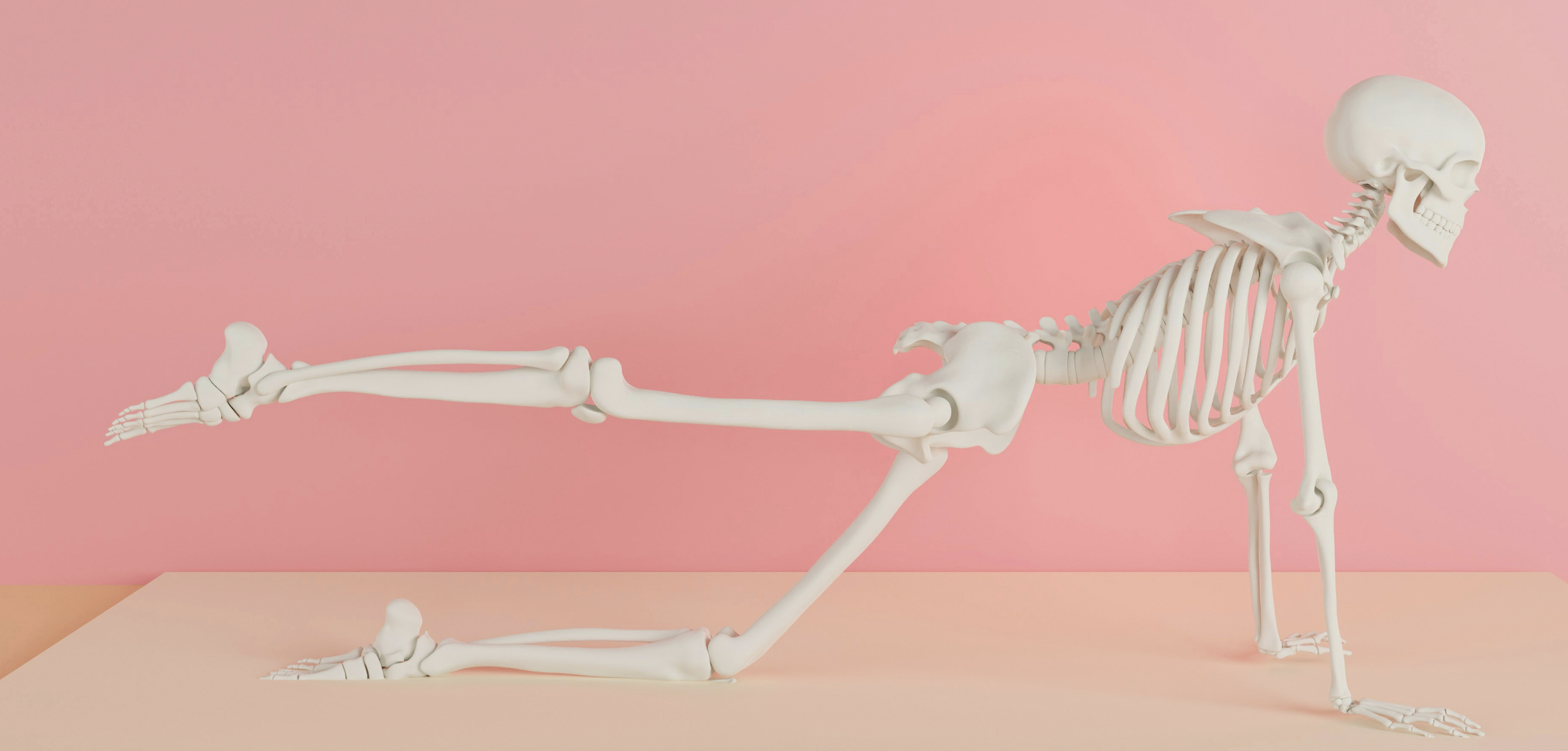
Osteoporosis is often linked to menopause, the period of a woman’s life when estrogen decreases. Unfortunately, there is more to osteoporosis than the conventional wisdom linking it only to the menopausal phase of life. Many women experience bone loss much earlier than the menopausal years.
One of the most neglected aspects of osteoporosis is the link between bone loss and gut health. Osteoporosis can be a complication of a variety of gastrointestinal diseases and can present in any patient with gut dysfunction. When the gut is compromised due to inflammation, surgery, or cancer treatment (gastrectomy, colon dissection, radiation therapy), the patient will suffer from malabsorption of nutrients, notably calcium and vitamin D, which will lead to osteoporosis.
Gastrointestinal Diseases that Increase Fracture Risk
- Celiac disease — Gluten allergies
- Post-gastrectomy (bariatric Surgery)
- Ulcerative colitis
- Crohn’s disease
- Orthotopic liver transplant/primary biliary cirrhosis
- Pancreatic insufficiency)
- Inflammatory bowel disease (IBD)
- Dysbiosis (imbalance in intestinal flora)
Each of these diseases or changes in the gastrointestinal tract can affect bone mineral density. The first step is to get control of these ailments as much as possible. Crohn’s and ulcerative colitis are incurable diseases, but they can be effectively managed with diet and some medications.
Gastrectomy. (bariatric surgery or a removal of any part of the stomach due to disease)
In the case and gastrectomy, working with a health professional to get the ideal supplements and conduct regular testing to ensure nutrient sufficiency will lead to optimal results, a healthier life, and prevent osteoporosis.
Celiac patients are particularly at risk for vitamin D deficiency and calcium malabsorption. But celiac damage is reversible by adopting a gluten-free diet and working with a clinical nutritionist to reverse the damage done by the disease.
IBD. This disorder is actually treatable with diet, management of food allergies, and supplementation to keep the mucosa and the intestinal flora healthy. A FODMAP diet can be administered as a first step in treatment, followed by a bland diet, then a customized diet that decreases stress on the bowels. Both IBD and IBS are treatable with diet when monitored by a clinical nutritionist or a functional medicine doctor specialized in gut health.
Pancreatic insufficiency. Due to heredity or disease, sometimes the pancreas is unable to produce enough enzymes or insulin to meet the daily physiological demands. It is a challenging problem that may take a long time and pain to diagnose. Often, the patient doesn’t know their pancreas isn’t producing enough digestive enzymes. A trip to the doctor and a discussion about indigestion may result in a prescription for drugs that make the problem even worse. The best course of action is a stool test to assess the complete health of the digestive system and identify pancreatic insufficiency. Here again, it can be treated with the administration of digestive enzymes and regular supplementation to ensure adequate nutrient absorption.
Dysbiosis. This is the most common gut disorder and yet the least diagnosed. Dysbiosis occurs when the intestinal flora is out of balance. Either not enough bacteria or one or several bacteria have grown to become parasitic. A condition known as SIBO (small intestinal bacteria overgrowth) can go on for years before the patient seriously seeks treatment.
It is now well established that the microbiome, or healthy gut bacteria, has an important influence on bone health.
“An imbalance in the gut microbiota (GM), known as dysbiosis, has been observed in individuals with OP. The use of ovariectomized (OVX) mice, a widely utilized animal model in OP studies, has revealed a clear association between GM and bone mass.14 Studies involving artificial interference of the GM in animals have demonstrated that the GM acts as a regulator of bone mineral density (BMD).” (1)
Nutrient absorption is also affected by the patient’s diet choices. A diet poor in fiber reduces the composition of the microorganisms living in the gut. Uptake of fiber and complex carbohydrates nourish the microbiome and increase its diversity. “Studies have found that microbial fermentation of dietary fibers produces short-chain fatty acids (SCFAs) that are regulators of osteocyte metabolism and bone mass. Feeding mice with SCFAs and a high-fiber diet can markedly increase bone mass, prevent bone loss, and significantly improve osteoporosis. The mechanism of the protective effect of SCFAs on bone mass lies in that SCFAs regulate the differentiation of osteoclast and inhibit bone resorption in vitro and in vivo without affecting bone formation.” (2)
Impact of Diet on the Microbiome
A high-calorie diet is associated with a decrease in the ratio of bactericides to firmicutes, leading to metabolic disorders. Firmicutes are known to promote bone health due to the release of short fatty acids called butyrates. Butyrates reduce inflammation, promotes the formation of both osteoclasts (bone-resorbing cells) and osteoblasts (bone-building cells), influencing the balance between bone formation and resorption.
High-protein diets, on the other hand, allow for the accumulation of toxic compounds in the digestive tract, which may negatively impact bone health. Although proteins are necessary for bone formation and growth, excess protein intake increases acidity and toxicity (hydrogen sulfide and methane in the gut), leading to bone loss.
Secondary Osteoporosis
Aside from gut dysfunction and disease, secondary osteoporosis is also caused by a variety of pathological factors, including smoking, type 1 diabetes (T1D), parathyroid disease, cancer, arthritis and glucocorticoid therapy.
How to Prevent or Reverse Osteoporosis
The first line of defense is a healthy microbiome. Ensure that you don’t have constipation, food allergies, and seek treatment for the diseases mentioned above. The reduction of acidity in the body, the elimination of inflammation, and a diet high in fiber will improve nutrient intake, absorption, and promote bone health.
Protein is necessary for so many metabolic functions, including building strong bones. However, a long-term protein diet can increase the chances of osteoporosis and contrition to its development. Choosing healthy plant-based proteins has more health benefits than animal-based proteins.
Dairy doesn’t promote bone health, nor does it help prevent osteoporosis. It’s the other way around. I know many people who eat cheese and yogurt daily and are suffering from advanced osteoporosis. In countries where dairy is absent from the diet (Africa, Asia), osteoporosis is very rare.
Supplementation
Unfortunately, for those with advancing osteopenia or osteoporosis, a diet rich in calcium is not enough to restore adequate bone mass. It’s imperative to supplement. However, the calcium you buy over the counter is not formulated specifically for the bone matrix. A lot of it may not be absorbed properly due to the size of the pill or formulation.
There are 2 types of calcium supplements that help reverse osteopenia and osteoporosis:
AlgeaCal is a plant-based (algae) calcium that’s more bioavailable than rock-based calcium. It contains additional minerals and compounds to support bone mineralization. The only drawback is the price. $1200 a year and it can only be purchased by visiting the manufacturer’s website
Bone Builder is a calcium supplement with hydroxyapatite. It’s more bioavailable than calcium carbonate or calcium citrate and more budget-friendly and can be purchased by visiting at a lower price than Amazon or any other site by clicking on the image below to benefit from the Zizania practitioner’s discount.
Where to Purchase Bone Builder
Both of the calcium supplements listed above include vitamin D and have been shown to be effective in the management of osteoporosis. But more better results, when taking calcium, it’s a good a good idea to take it with fruit or fruit juice and 1,000 mgday vitamin C. Both of these nutrients aid in the absorption and delivery of calcium.
These calcium supplements, when taken properly, are as effective as medication to reverse osteoporosis. There are also several medications available under a physician’s prescription.
Alendronate (Fosamax)
Risedronate (Actonel)
Ibandronate (Boniva)
Zoledronic acid (Zometa)
However, medication always has side effects, and among the known ones attributed to these are heartburn,
indigestion, esophageal erosion, and esophageal ulcer. Patients may develop others or none at all as reactions differ from one individual to the next.
Citations
1. https://www.nature.com/articles/s41413-023-00264-x
2. https://pmc.ncbi.nlm.nih.gov/articles/PMC7069453/